
อาหารและเทคนิค
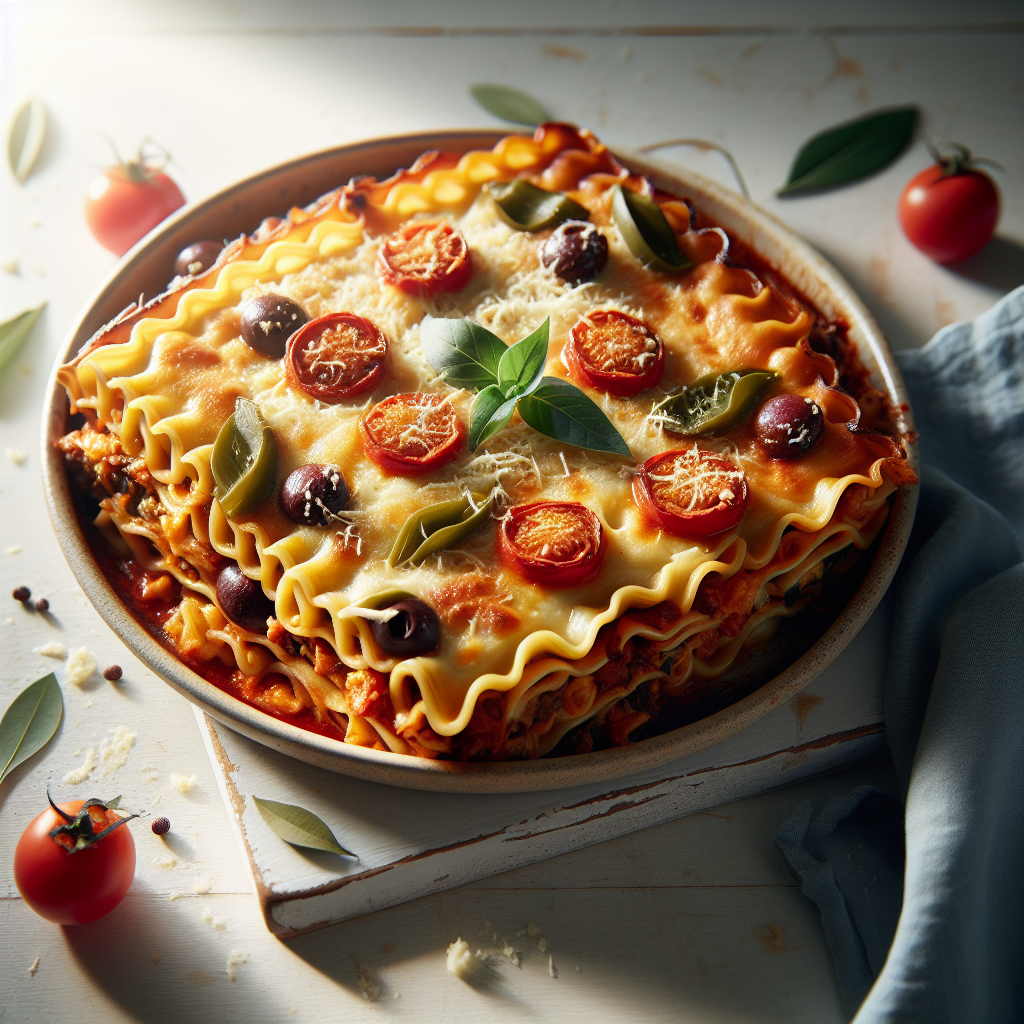
Greek food differs island to mainland and north to south. The islands lean heavily on seafood — grilled octopus, fried calamari, fish baked in tomato (psari plaki). Crete has its own near-vegetarian tradition with wild greens (horta), dakos rusks and excellent cheese. Northern Greece, especially around Thessaloniki, shows Ottoman influence: bougatsa, soutzoukakia, more spice. The mainland gives us the famous slow-cooked dishes — moussaka, pastitsio, kleftiko, stifado — and the meat-grill culture of souvlaki and gyros. The technique to internalise is ladera — vegetables slow-cooked in a generous amount of olive oil with tomato, herbs and lemon, eaten warm or at room temperature. Green beans, okra, artichokes and peas all get this treatment. Add charcoal grilling, phyllo pastry work for spanakopita and tiropita, and the use of yogurt as both ingredient and sauce, and you've got most of the cuisine.
เข้ากับอะไร
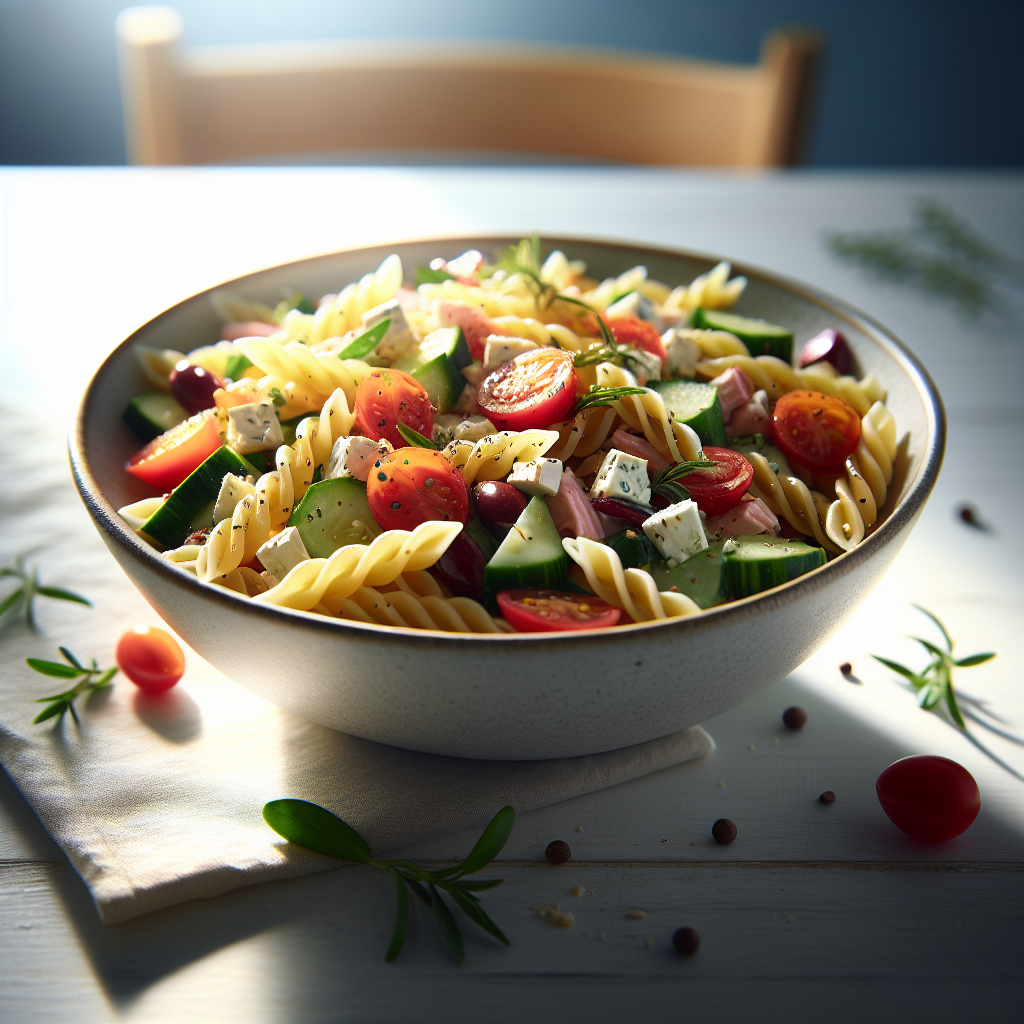
Greek wine is much better than its old reputation — try Assyrtiko from Santorini with seafood, Agiorgitiko or Xinomavro reds with grilled lamb, and a properly chilled retsina with mezze if you're feeling brave (it works). Ouzo with cold water and ice is the classic aperitif alongside small plates. On the table: a Greek salad (no lettuce, ever — it's tomatoes, cucumber, onion, feta, olives, oregano), warm pita, tzatziki, and good olive oil for dipping. Lemon wedges with everything grilled. In summer, this is one of the world's great cuisines; in winter, lean into moussaka, gigantes plaki and avgolemono soup.
คำถามที่พบบ่อย
What makes Greek cuisine different from other Mediterranean cooking?
Greek food uses more lemon, more oregano and significantly more feta and yogurt than Italian or Spanish cooking. The ladera tradition of slow-cooking vegetables in olive oil is distinctive, as is the heavy use of phyllo pastry. Compared to Lebanese or Turkish food, there's less spice and more emphasis on a few clean flavours — olive oil, lemon, herbs — letting the ingredients speak.
How do I start cooking Greek at home with a normal supermarket?
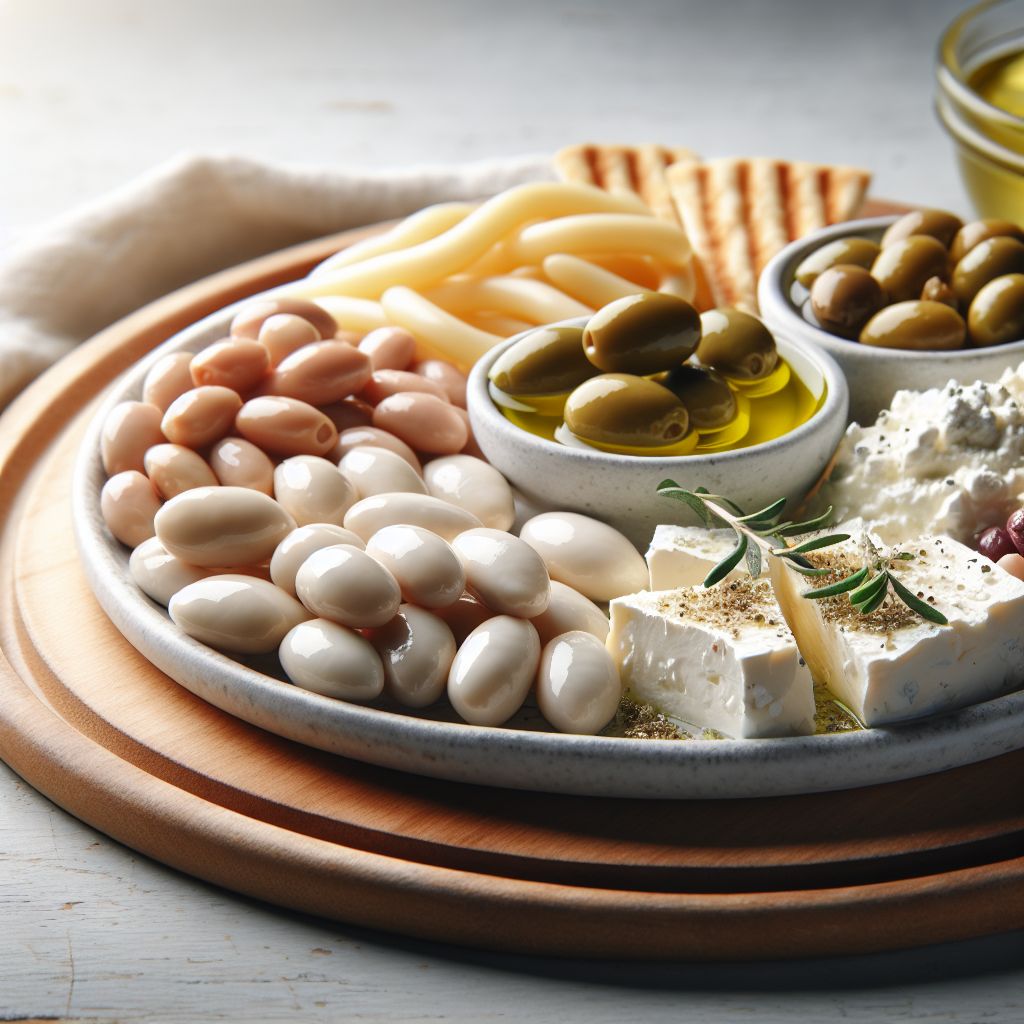
Get good extra virgin olive oil, lemons, dried oregano, a block of real Greek feta (not crumbled in brine), tinned tomatoes, Kalamata olives and Greek yogurt. Add cucumber, tomatoes, red onion and pita. With that you can make horiatiki salad, tzatziki, a quick lemon-oregano chicken, and a simple gigantes (giant beans in tomato sauce) — a proper Greek dinner from any major supermarket.
Can I make Greek food without proper feta?
Real Greek feta (made from sheep's milk, sometimes with goat) has a tang and creaminess that supermarket 'feta-style' cheese rarely matches. If you can find PDO Greek feta, even the basic version, it's worth the small extra cost. In a pinch, a good Bulgarian or French feta works; avoid the dry, crumbly cow's milk versions, which taste flat. For cooking, lower-grade feta is fine; for a salad, get the real thing.
Is Greek cuisine vegetarian-friendly?
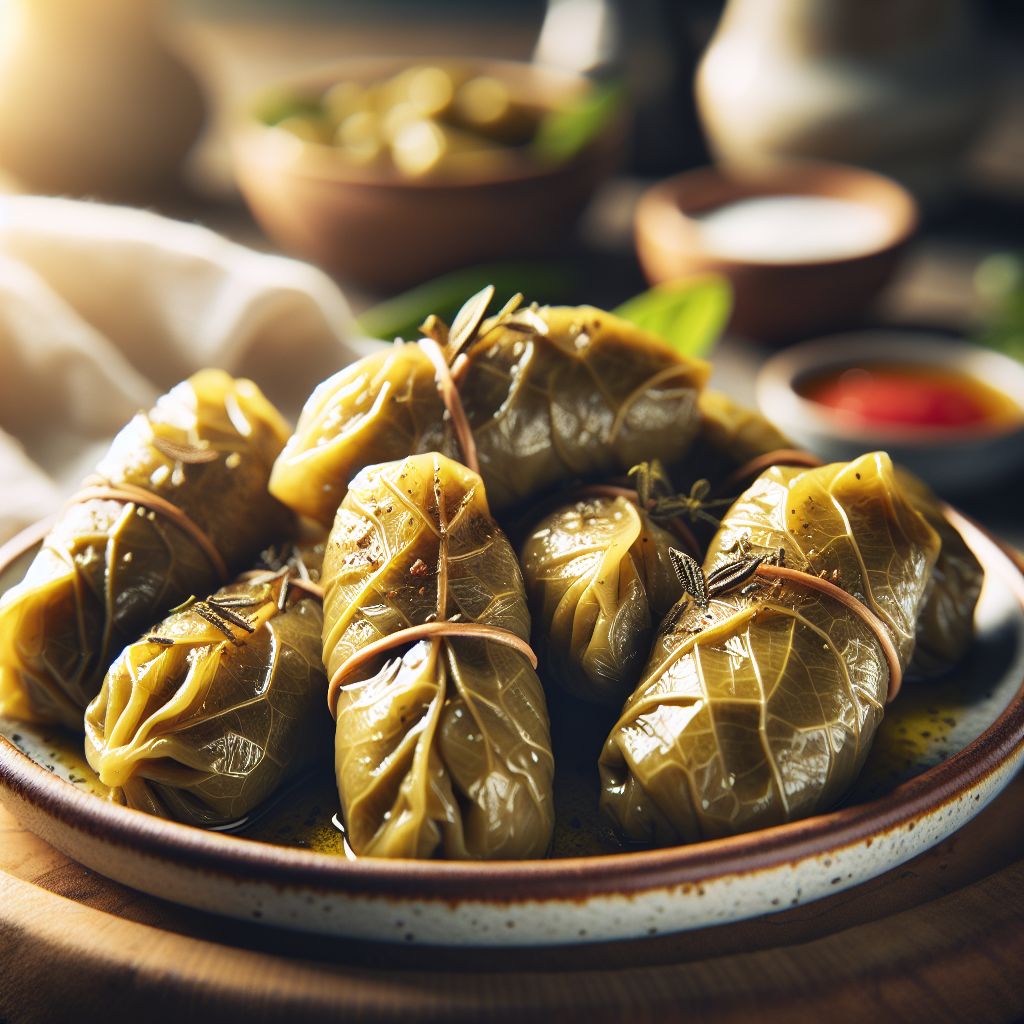
Very. The Greek Orthodox calendar has many fasting periods that exclude meat and dairy, which has produced a rich tradition of vegetable-based cooking — gigantes plaki, fasolakia, briam, spanakorizo, dolmades, lentil soup (fakes), countless ladera dishes. With feta and yogurt back on the menu, you've got an enormous vegetarian repertoire. Vegan-friendly too if you skip the dairy and the occasional fish-based dish.
How long does a typical Greek weeknight dinner take?
A Greek salad with grilled chicken or fish and warm pita is 25 minutes. Souvlaki, marinated in the morning, cooks in 10 minutes once skewered. Tzatziki takes 5 minutes. The slow-cooked classics — moussaka, pastitsio, kleftiko — are weekend dishes, often better the next day. The grilled-meat-and-mezze side of Greek cooking is genuinely fast and made for weeknights.