อาหารและเทคนิค
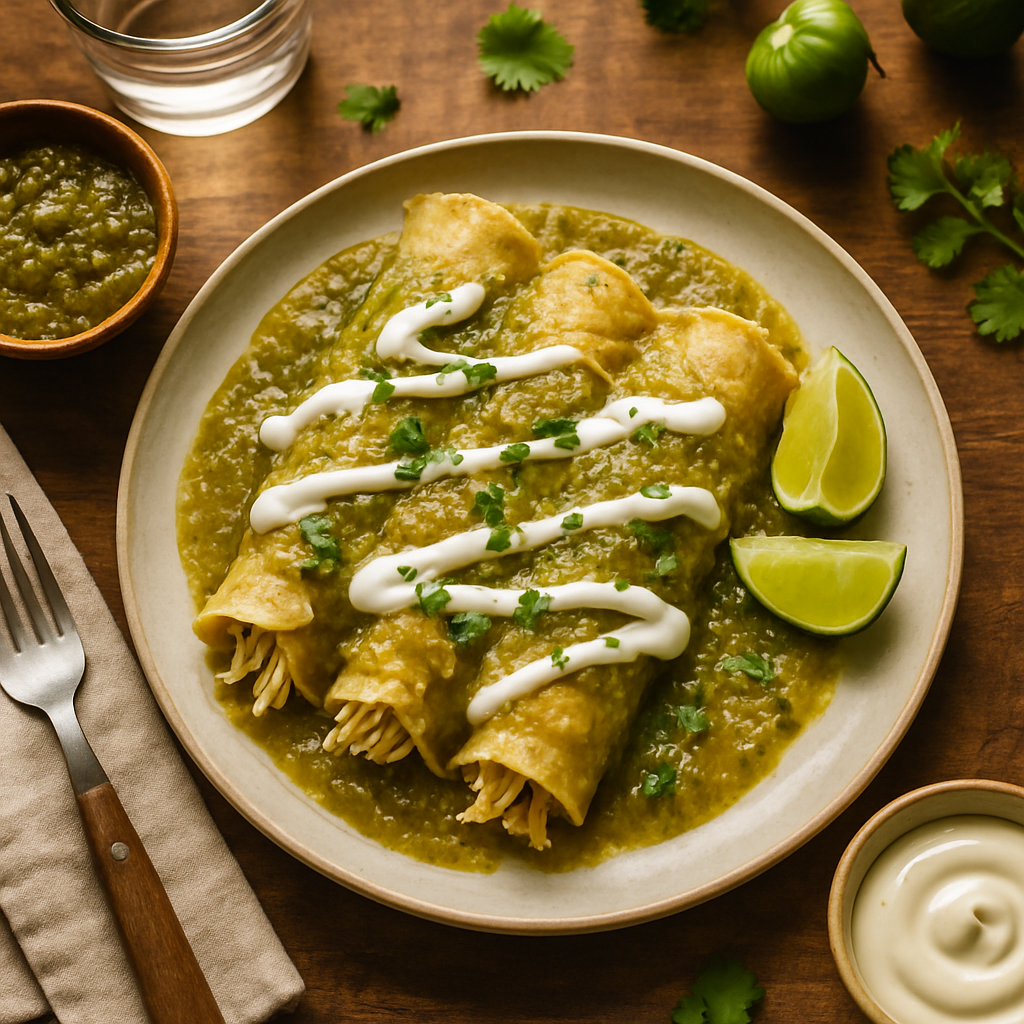
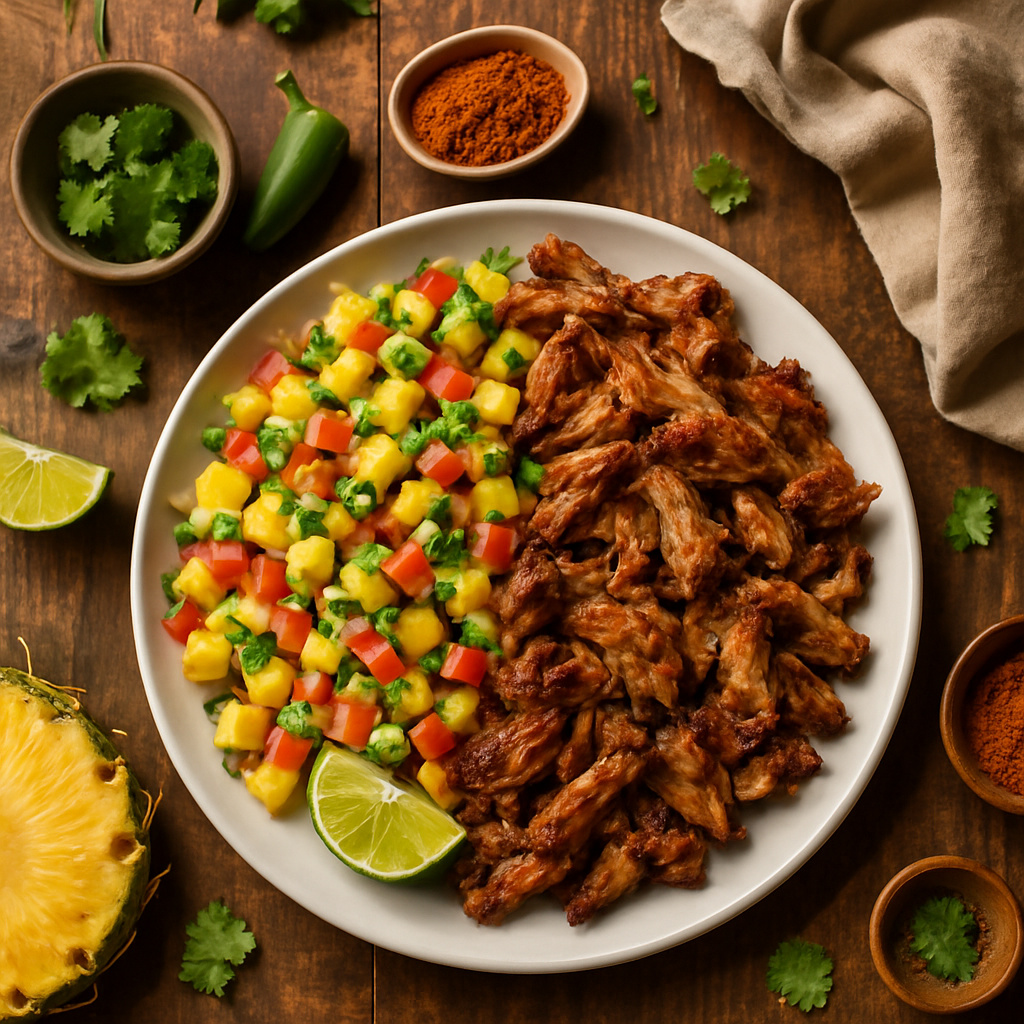
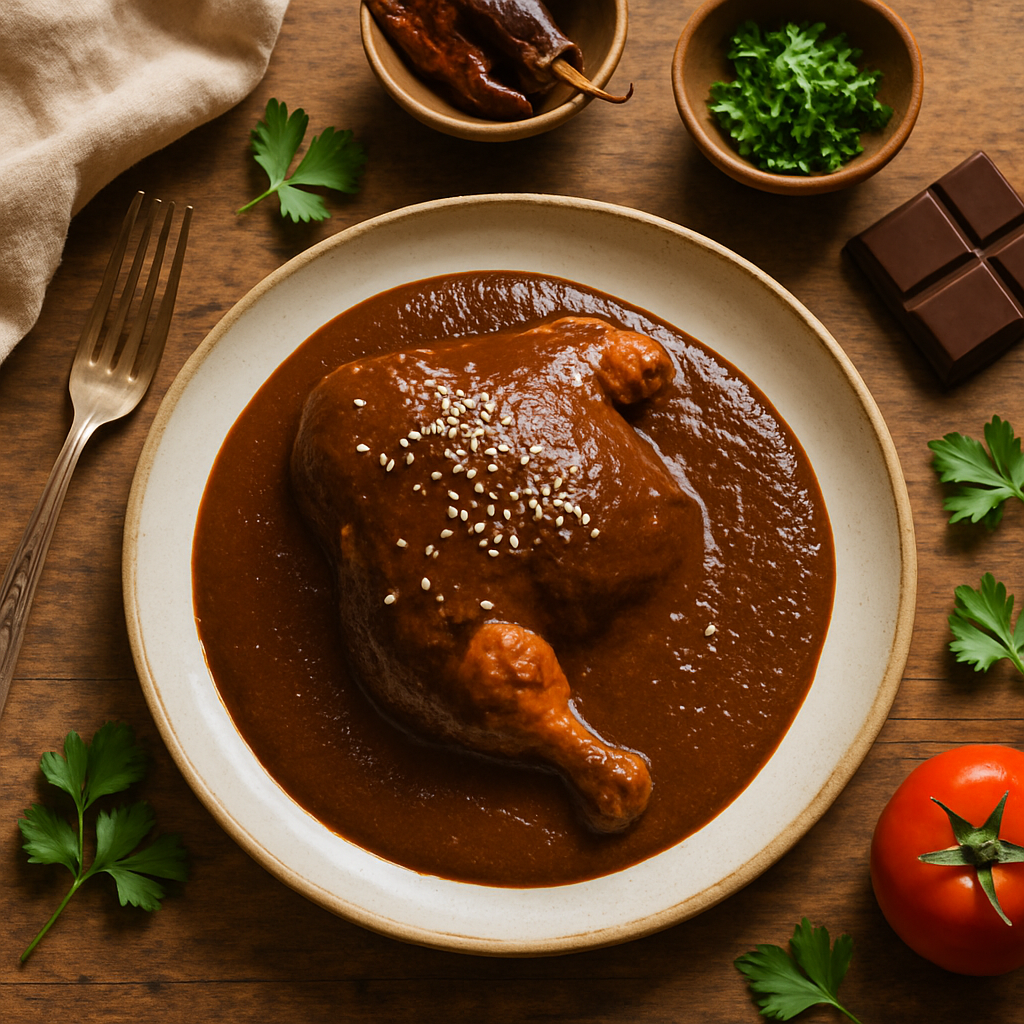
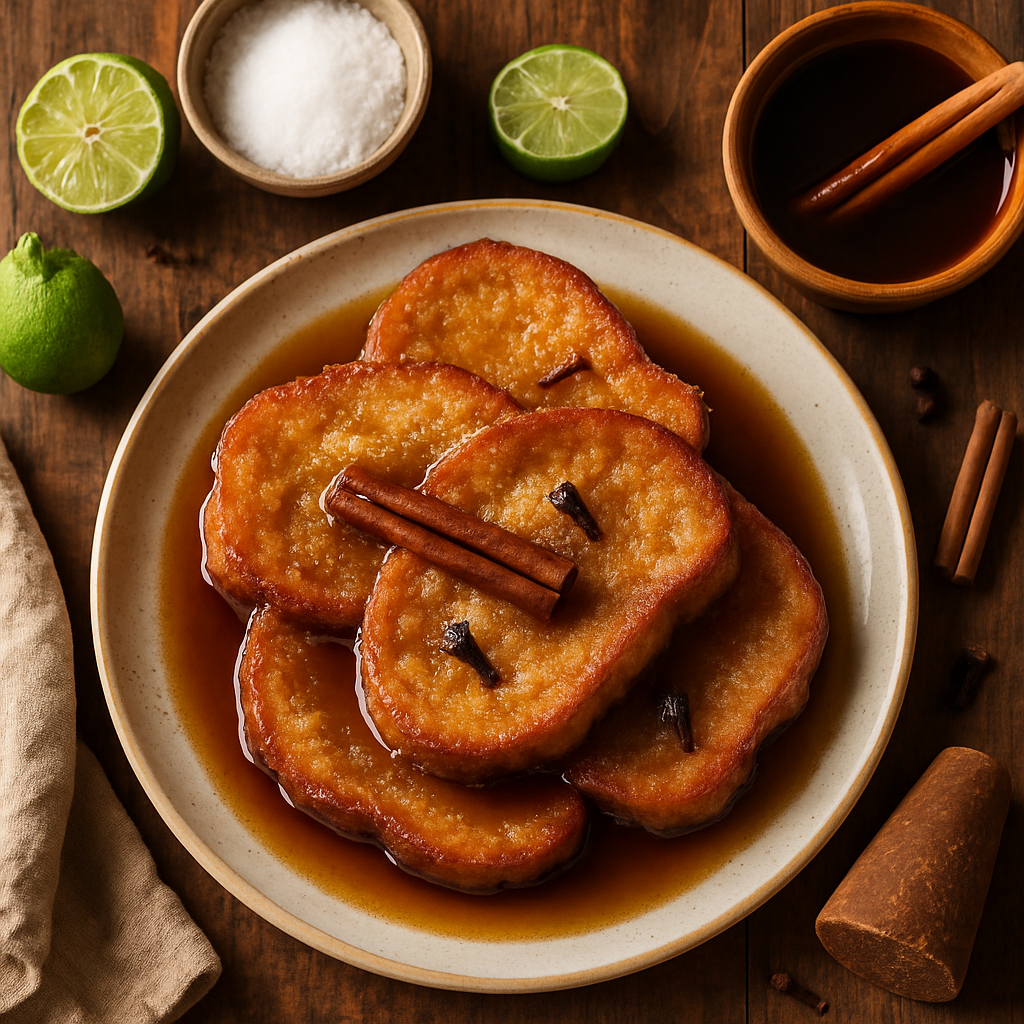
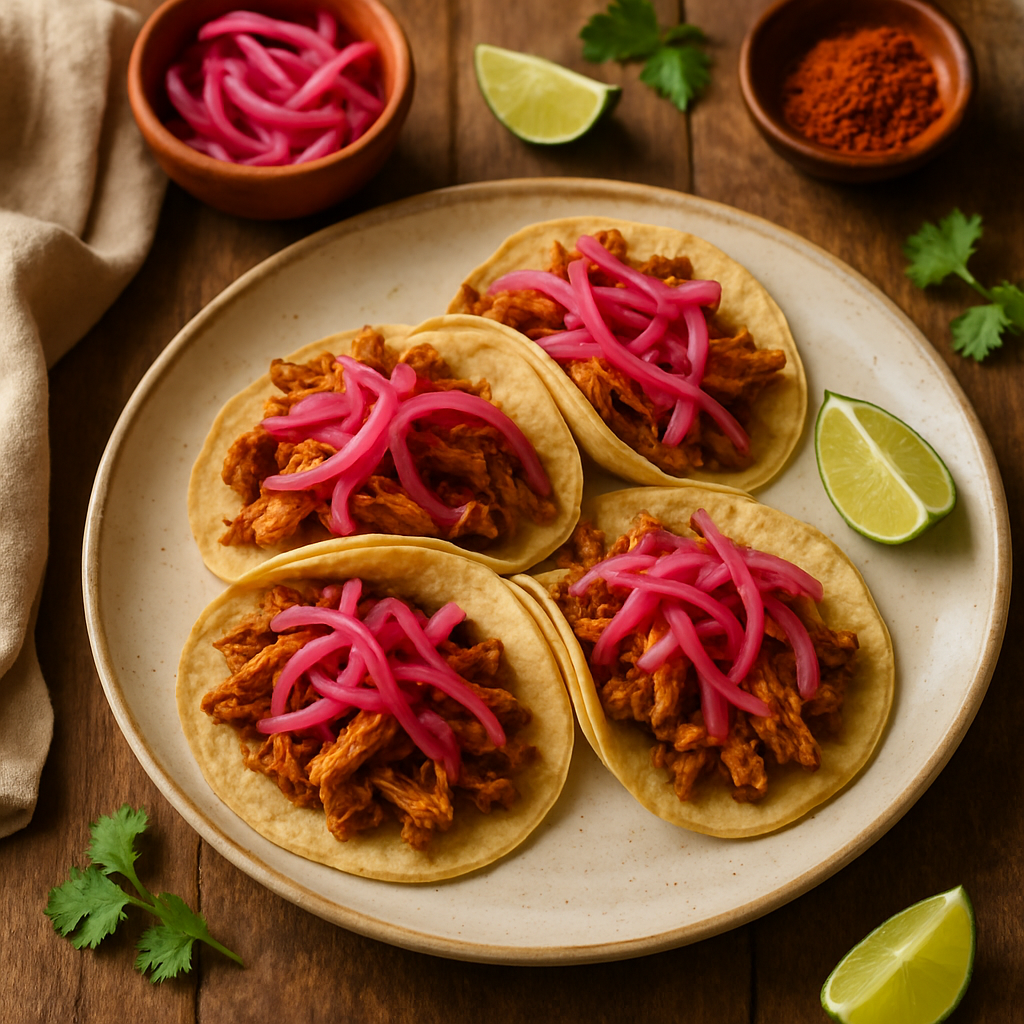
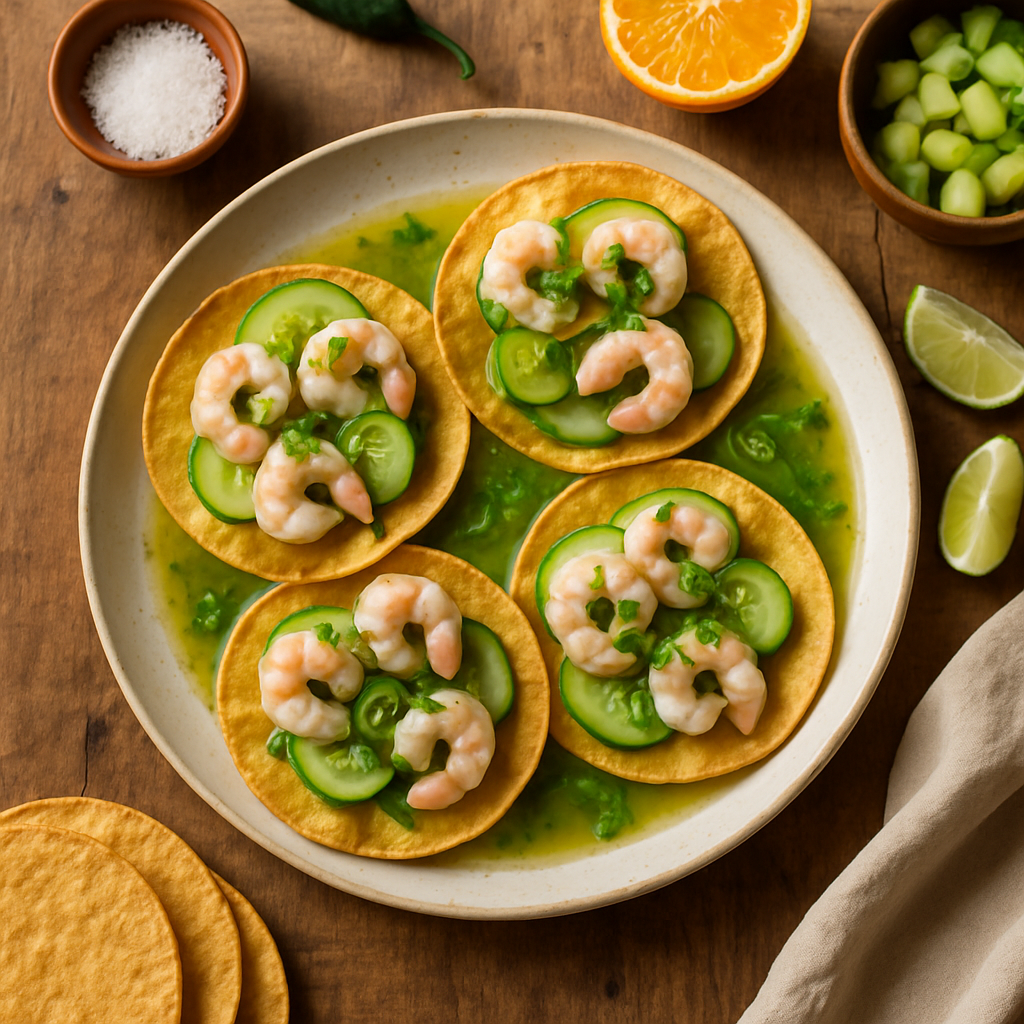
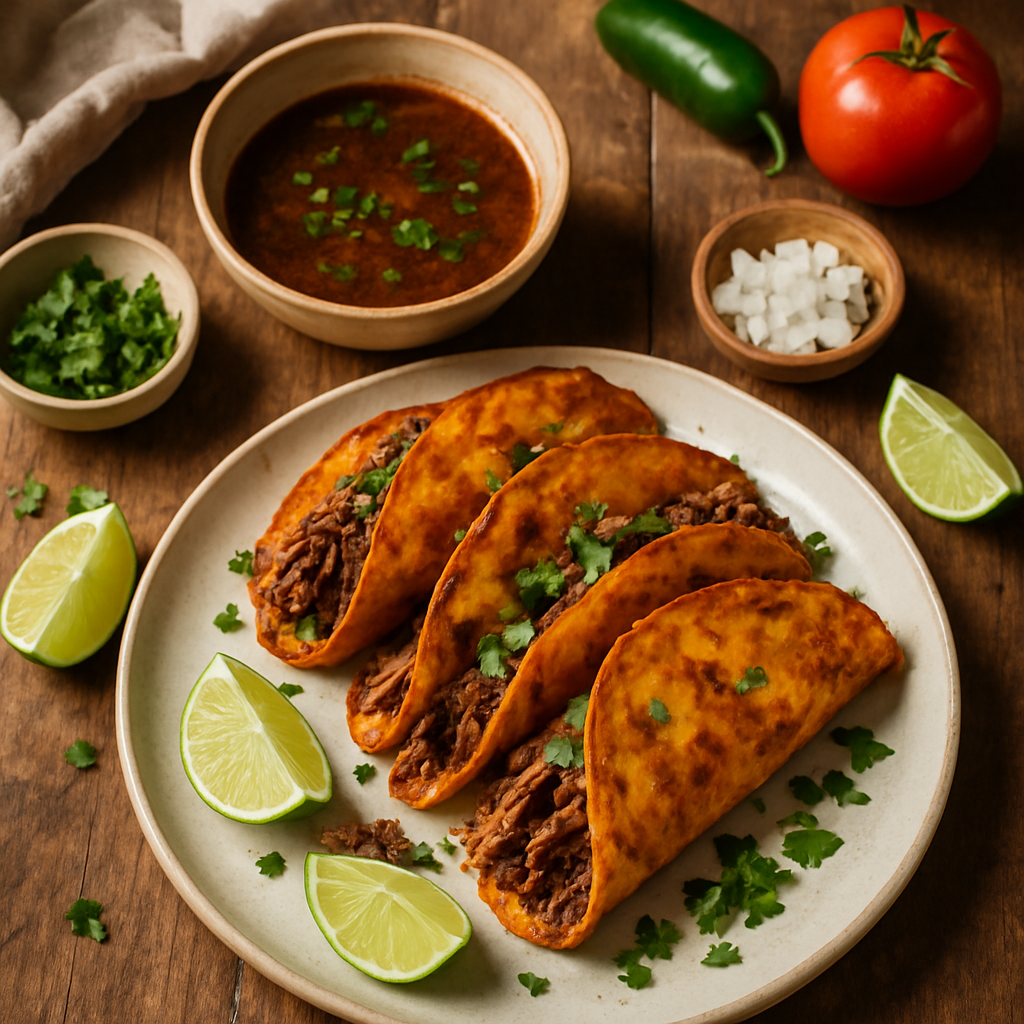
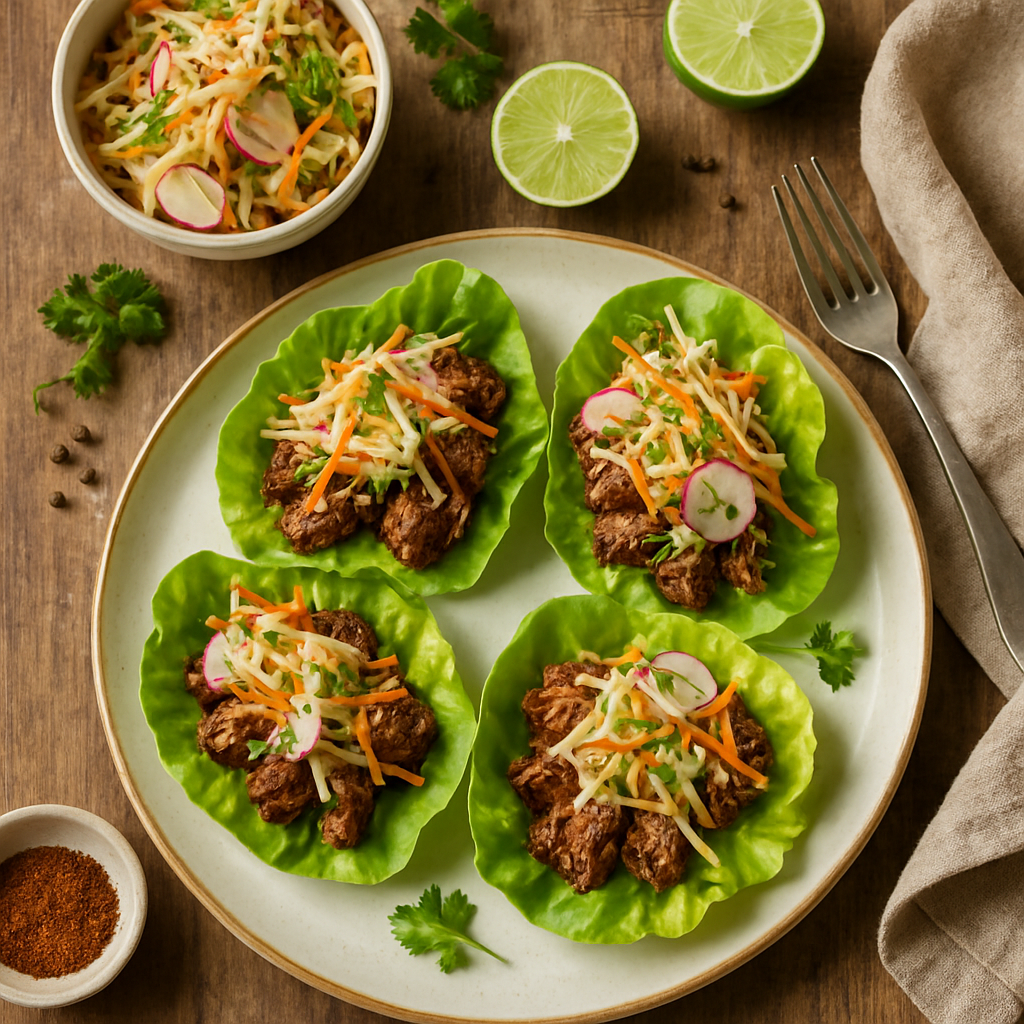
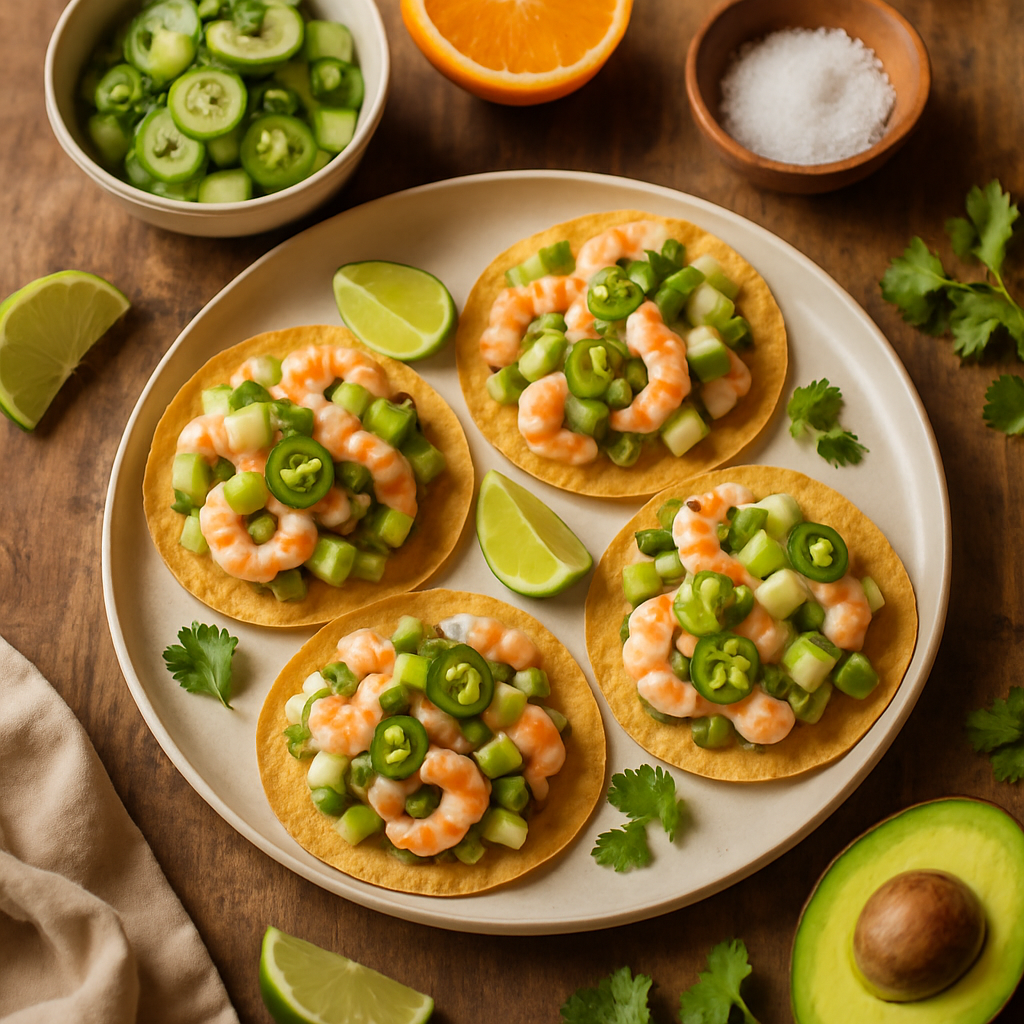
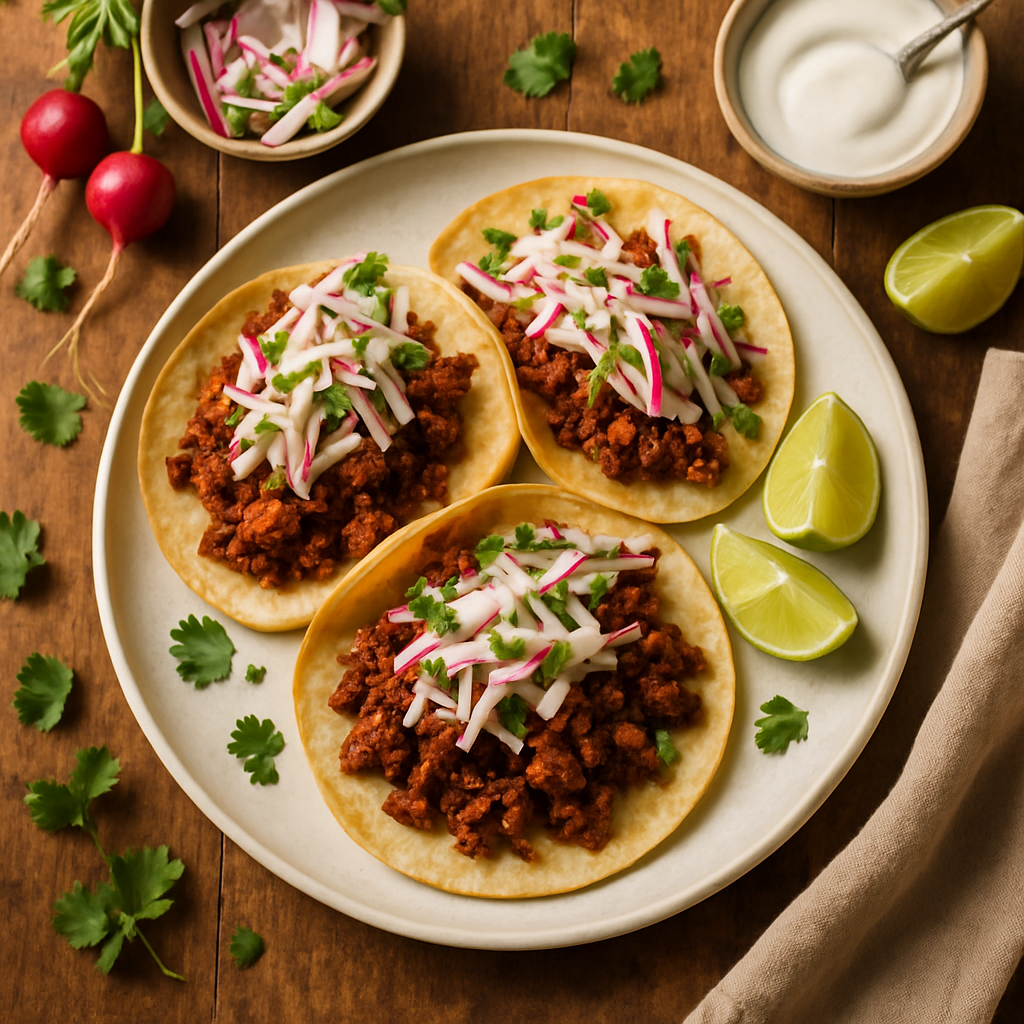
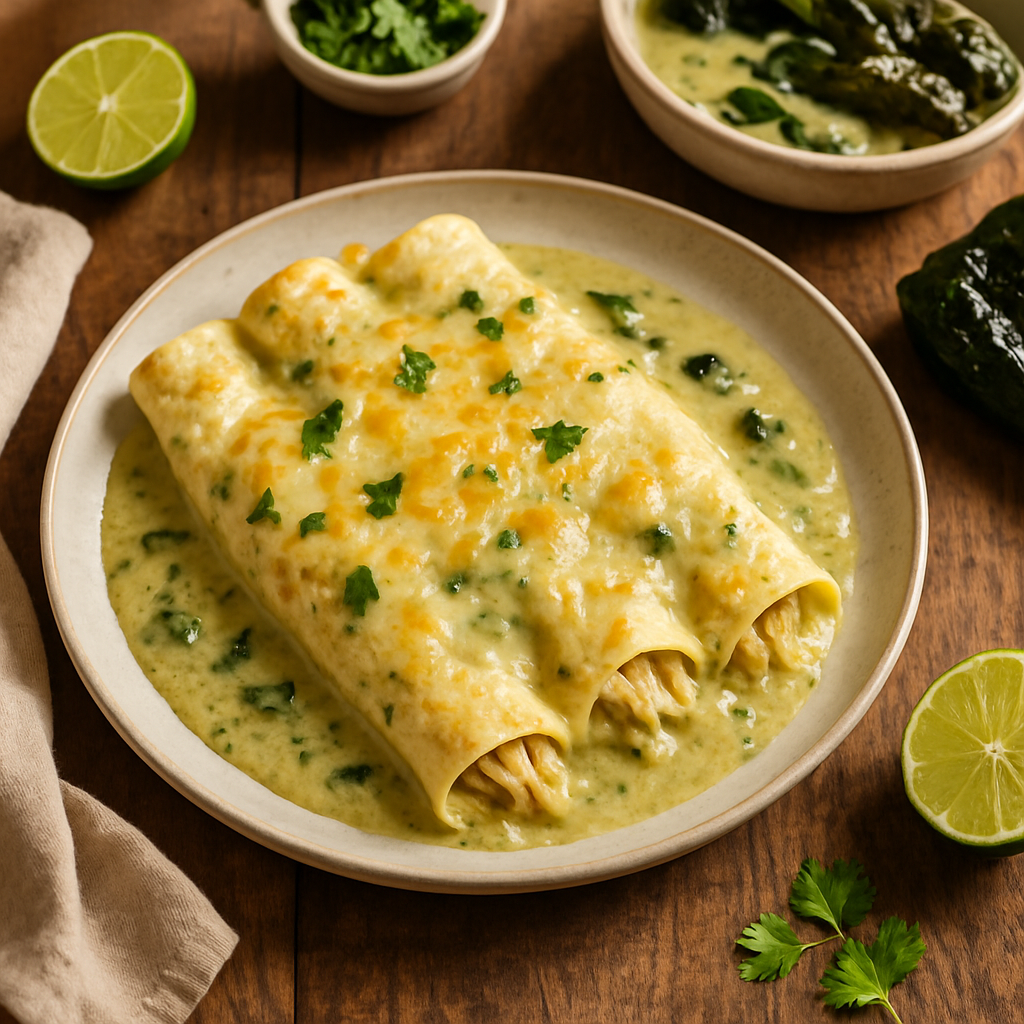
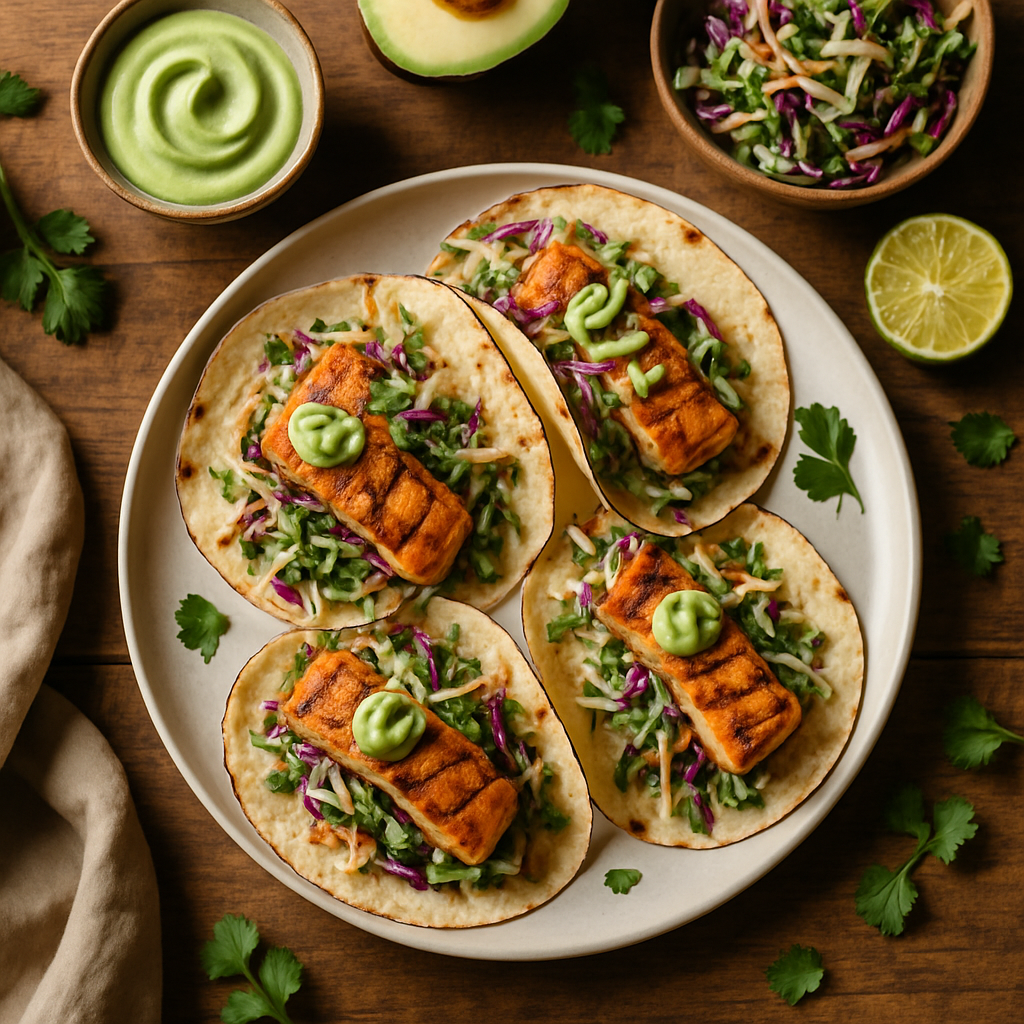
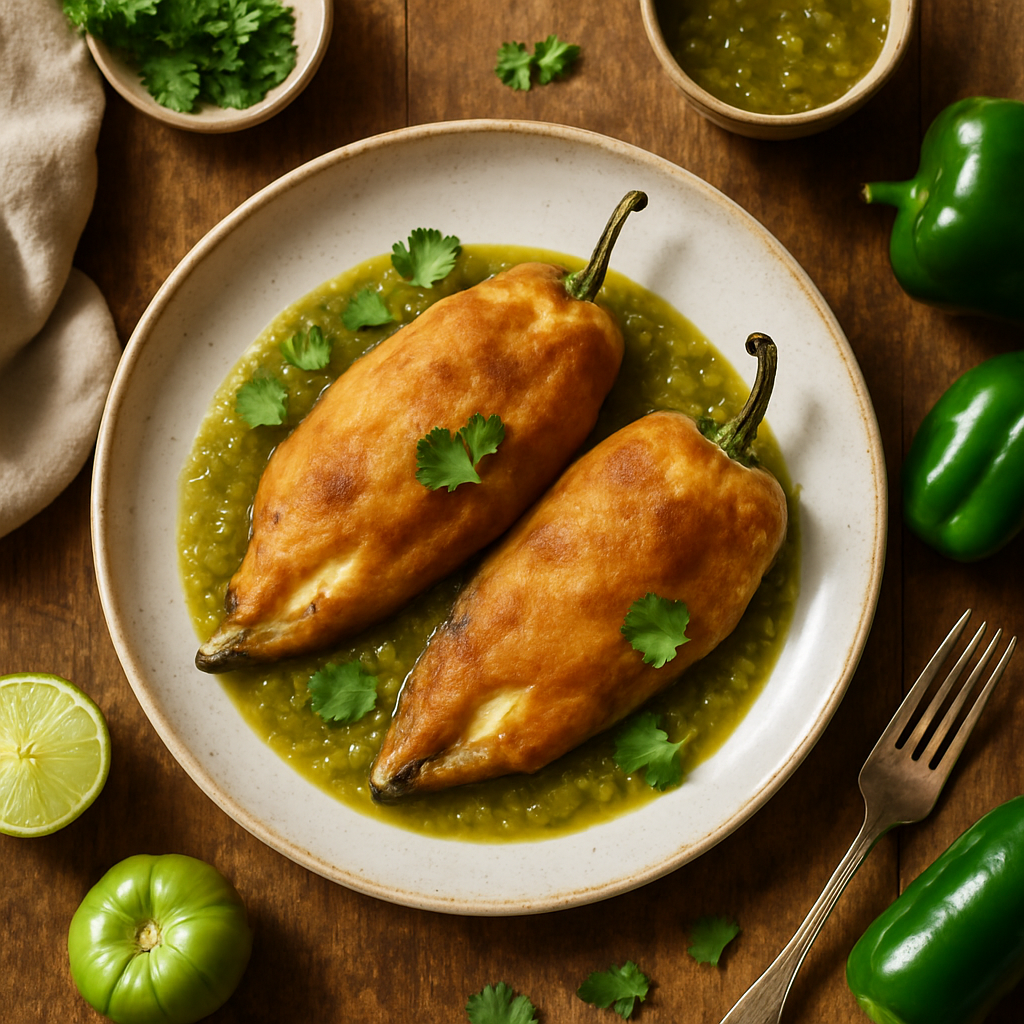
Mexico's regional cooking runs deep. Oaxaca is mole country — complex sauces of chillies, chocolate, nuts and spices, served over chicken or enchiladas. The Yucatán cooks with achiote and bitter orange, producing cochinita pibil and sopa de lima. Northern Mexico is grilled-meat territory: arrachera, carne asada, flour tortillas instead of corn. Puebla gave the world chiles en nogada and tinga. Coastal areas turn out aguachile, ceviche and fish tacos. The core techniques are charring (tomatoes, onions, chillies blackened on a dry pan for salsa), nixtamalised corn for tortillas and tamales, and slow braising of pork and beef for fillings like carnitas and barbacoa. Learn to toast dried chillies — guajillo, ancho, chipotle — and you unlock a whole repertoire of adobos, moles and enchilada sauces that taste nothing like a jar.
เข้ากับอะไร
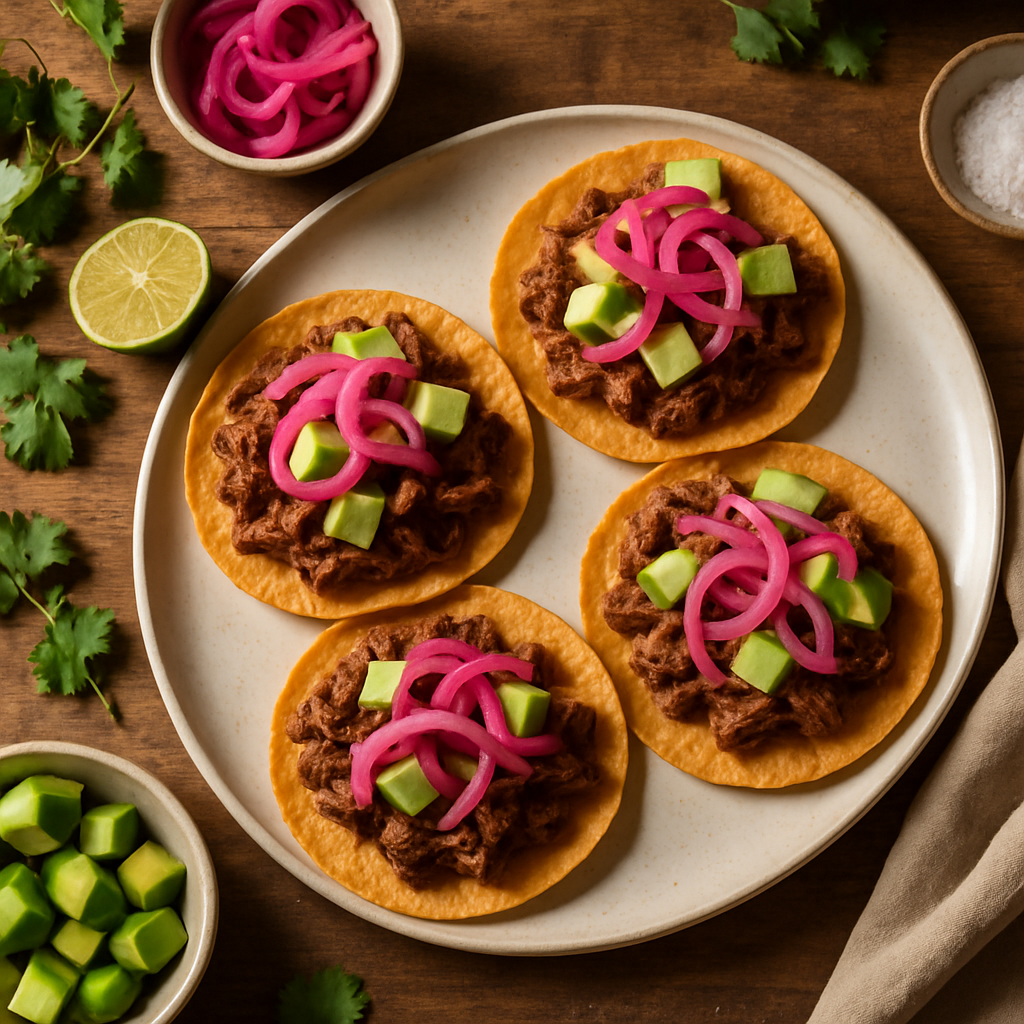
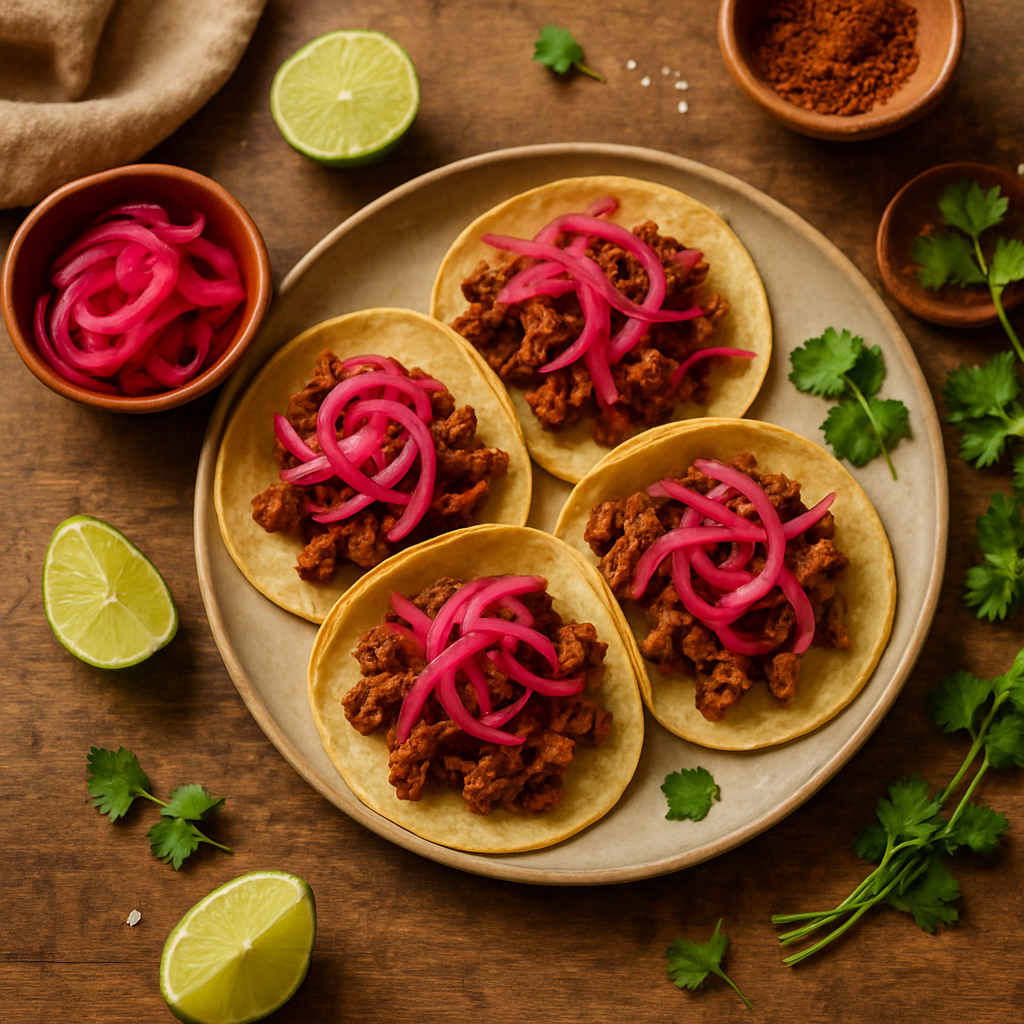
Cold Mexican lager with lime (Modelo, Pacífico) is the obvious match and rarely wrong. A margarita on the rocks with salt is the classic; a michelada if you want something more substantial. Wine is trickier with chilli — try a fruity off-dry Riesling or a chilled light red like Gamay. Agua frescas (hibiscus, tamarind, watermelon) are brilliant non-alcoholic options. On the table: warm corn tortillas, refried or charro beans, Mexican rice, sliced avocado, pickled red onions and at least one fresh salsa. Lime wedges everywhere. In summer, lean into ceviches and tacos al pastor; in winter, pozole and birria are unbeatable.
คำถามที่พบบ่อย
What makes Mexican cuisine different from Tex-Mex?
Mexican cooking is built on corn tortillas, fresh salsas, dried chillies and herbs like epazote and cilantro, with regional dishes that vary hugely across the country. Tex-Mex is an American hybrid — flour tortillas, yellow cheese, ground beef, cumin-heavy chilli con carne, hard-shell tacos. Both can be delicious, but they're genuinely different cuisines. Authentic Mexican is fresher, lighter and more chilli-forward than cheese-forward.
How do I start cooking Mexican at home with a normal supermarket?
Get dried chillies if you can find them (ancho and chipotle are widely available now), tinned chipotles in adobo, good corn tortillas, black or pinto beans, limes, white onion, fresh coriander and a decent hot sauce like Cholula or Valentina. With that you can make tacos, quesadillas, tinga, refried beans and a proper salsa roja. Avoid pre-mixed 'taco seasoning' — it tastes nothing like real Mexican food.
Can I make Mexican food without fresh corn tortillas?
Yes, though good tortillas make a real difference. Most supermarkets now carry decent corn tortillas; warm them on a dry pan or directly over a gas flame for 20 seconds a side to bring them to life. Flour tortillas are fine for burritos and quesadillas but not really right for tacos al pastor or carnitas. If you can find masa harina, making your own tortillas takes 15 minutes and is genuinely worth it.
Is Mexican cuisine spicy?
It can be, but it doesn't have to be. Many classic dishes — mole poblano, tinga, carnitas, enchiladas suizas — are more about deep, smoky chilli flavour than raw heat. Salsas are where the heat usually lives, so you can control the burn by serving them on the side. Bean dishes, esquites, and most rice and tortilla preparations are mild. Mexican food has plenty of room for people who don't want their face on fire.
How long does a typical Mexican weeknight dinner take?
Tacos with a quick filling (chicken tinga, prawns, mushrooms) and a fresh salsa take 25 to 30 minutes. Quesadillas and tostadas are even faster, around 15. Slow-cooked dishes like carnitas, barbacoa or proper mole are weekend projects, but they freeze brilliantly — make a big batch on Sunday and you've got taco fillings for three weeknights.