อาหารและเทคนิค
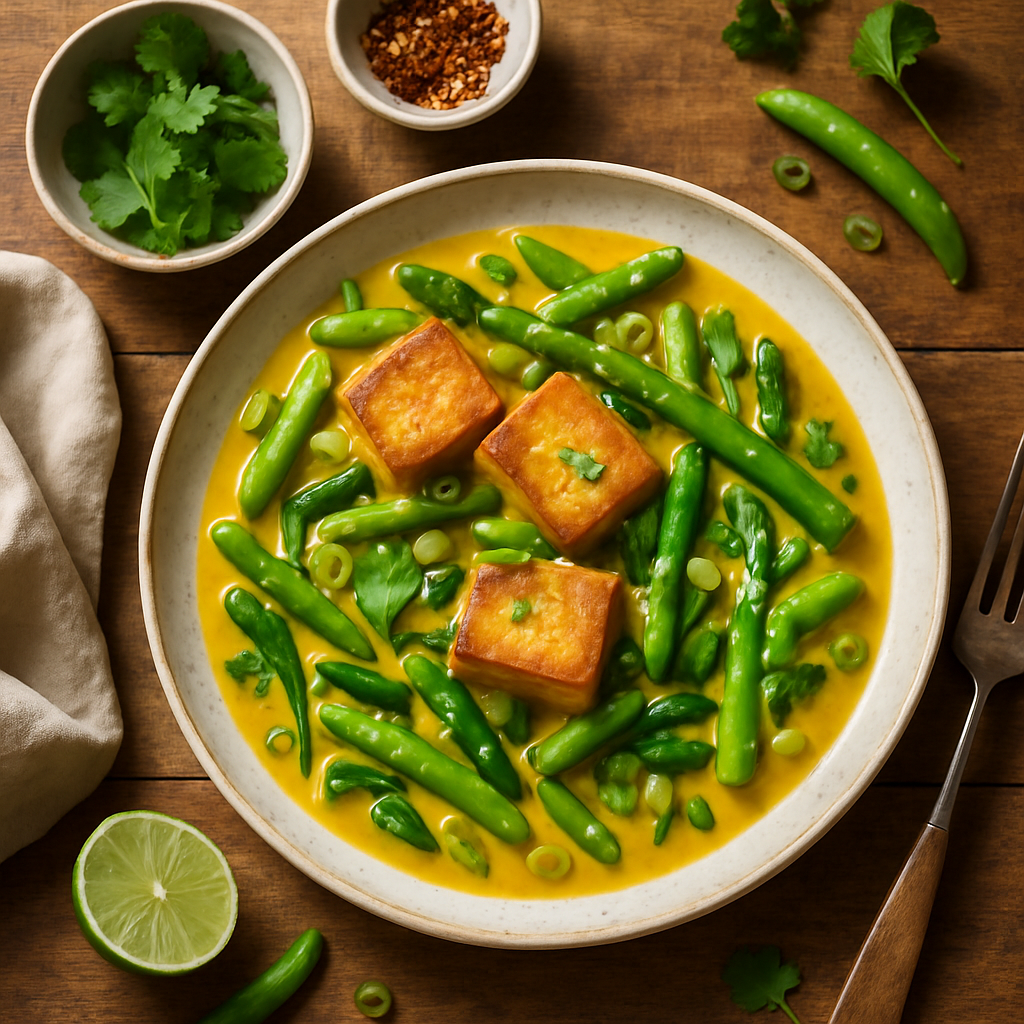
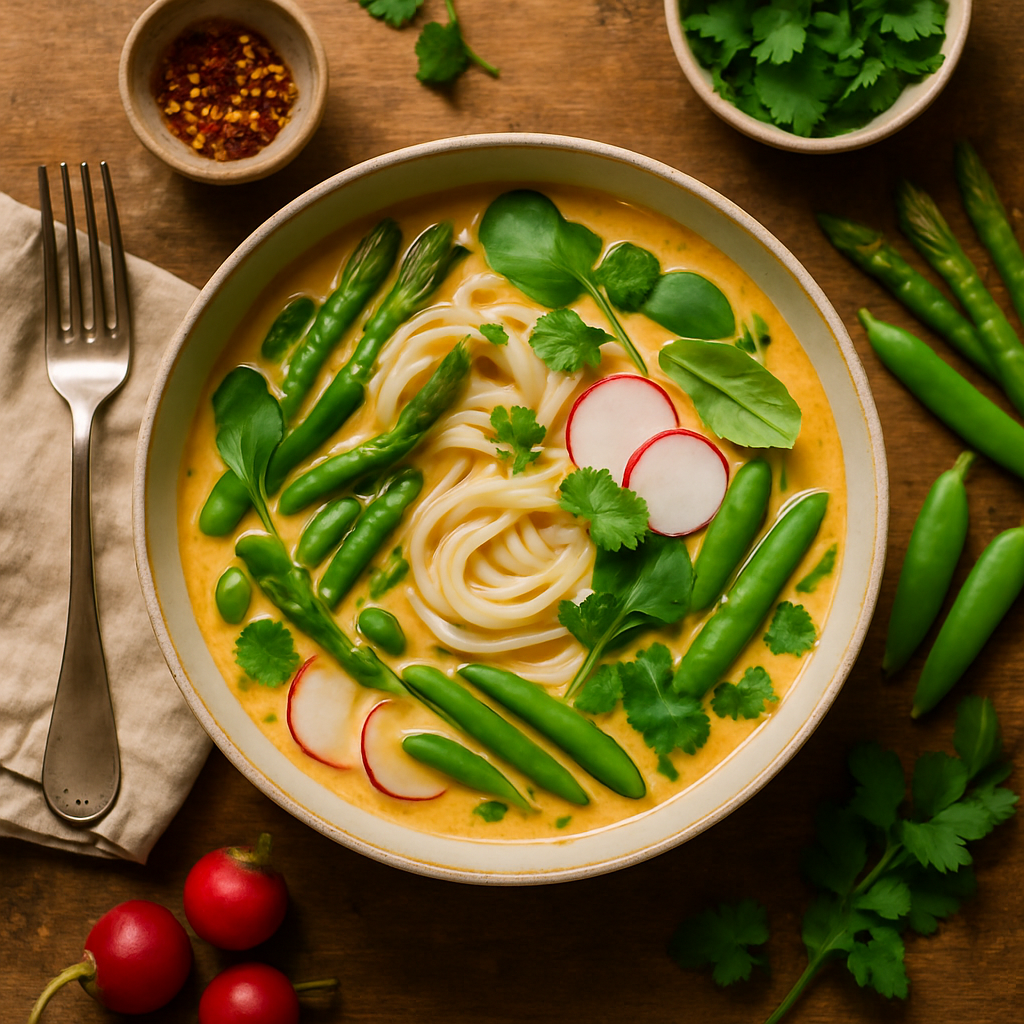
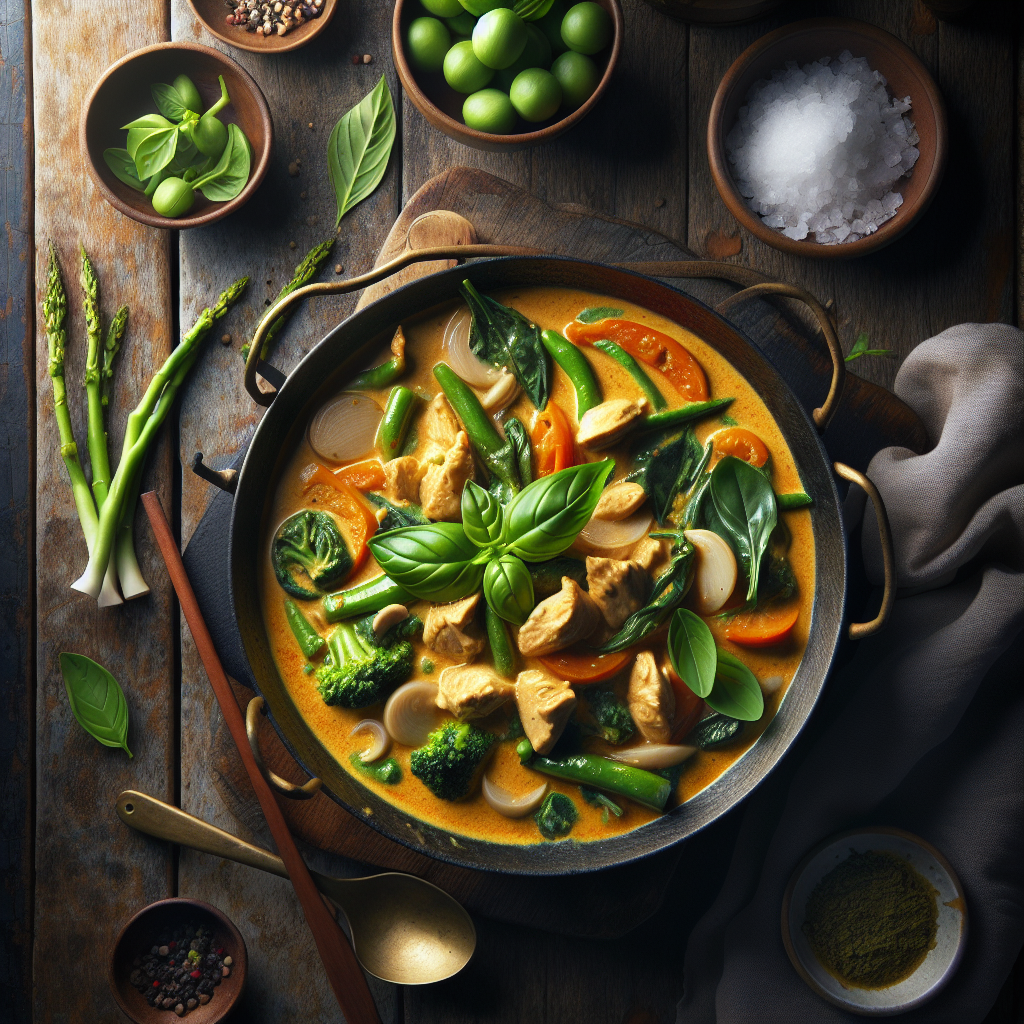
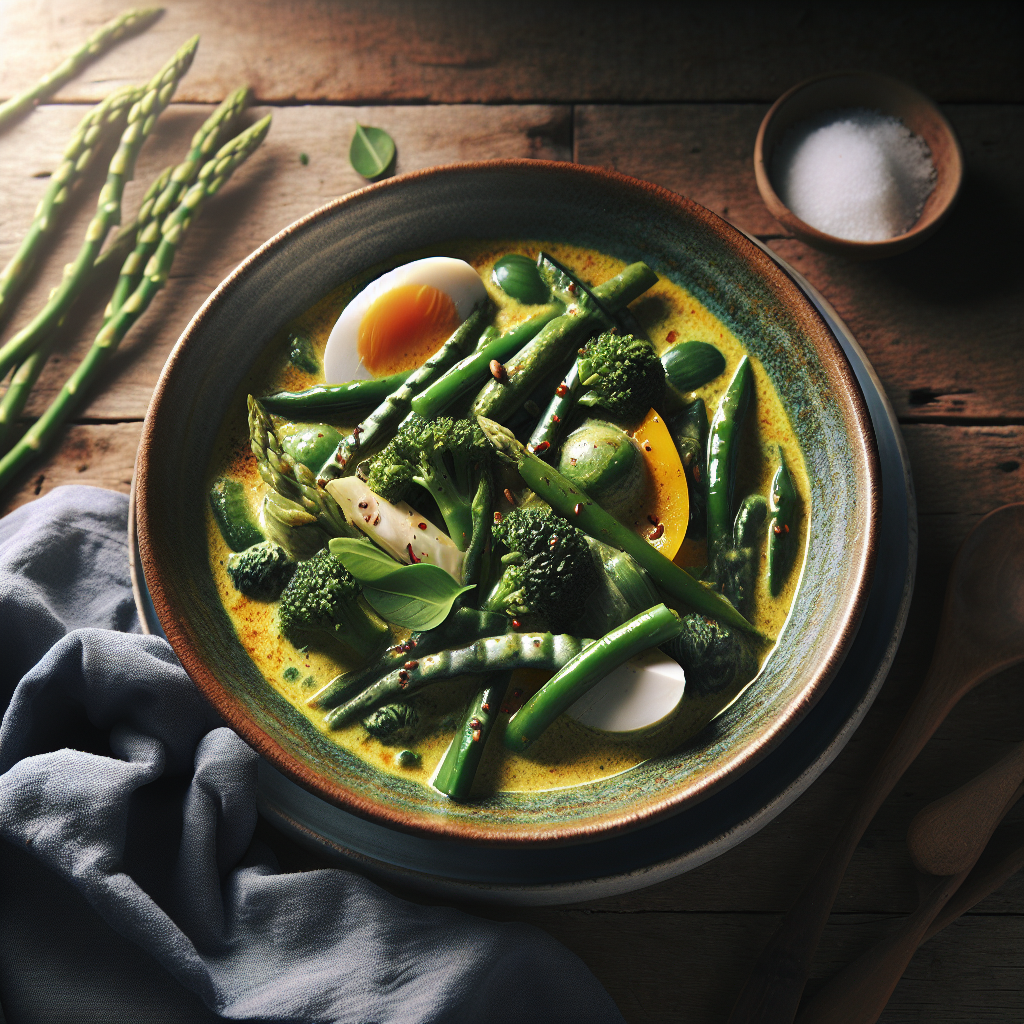
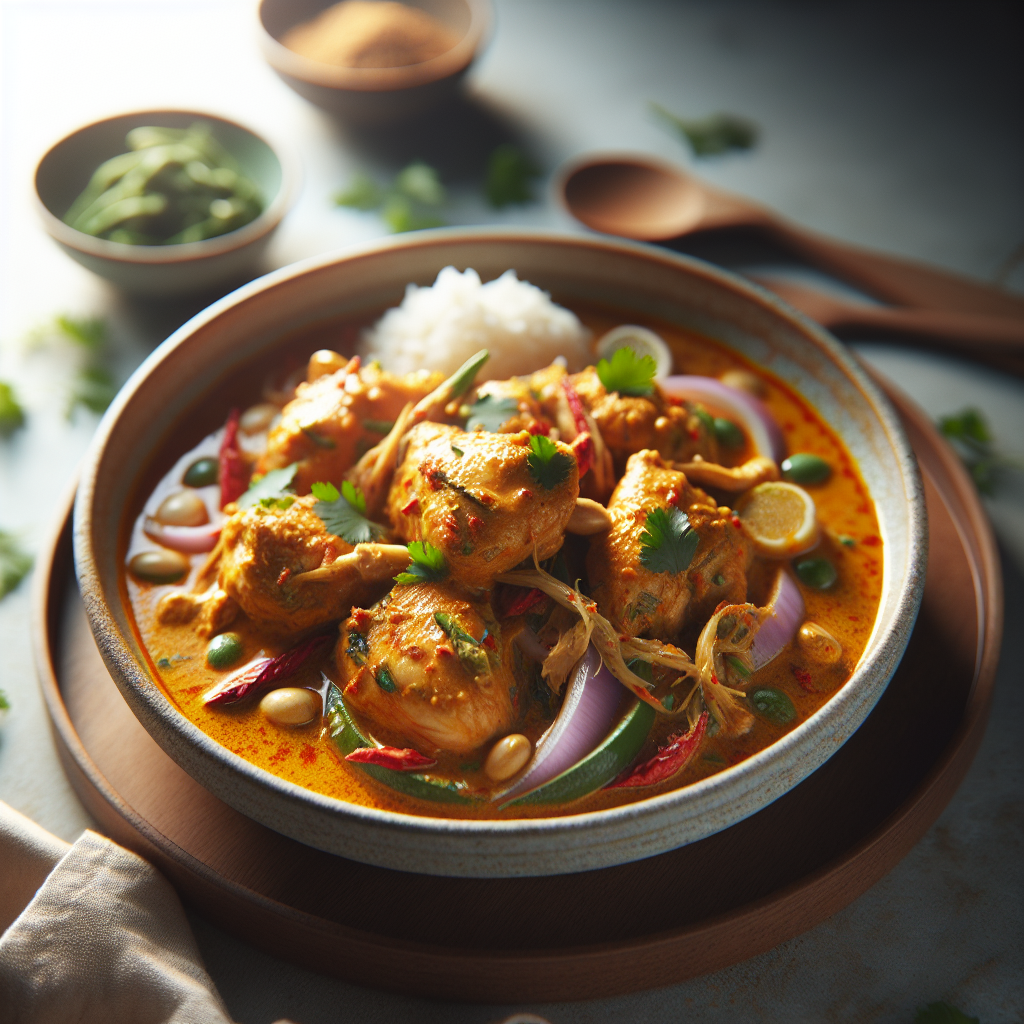
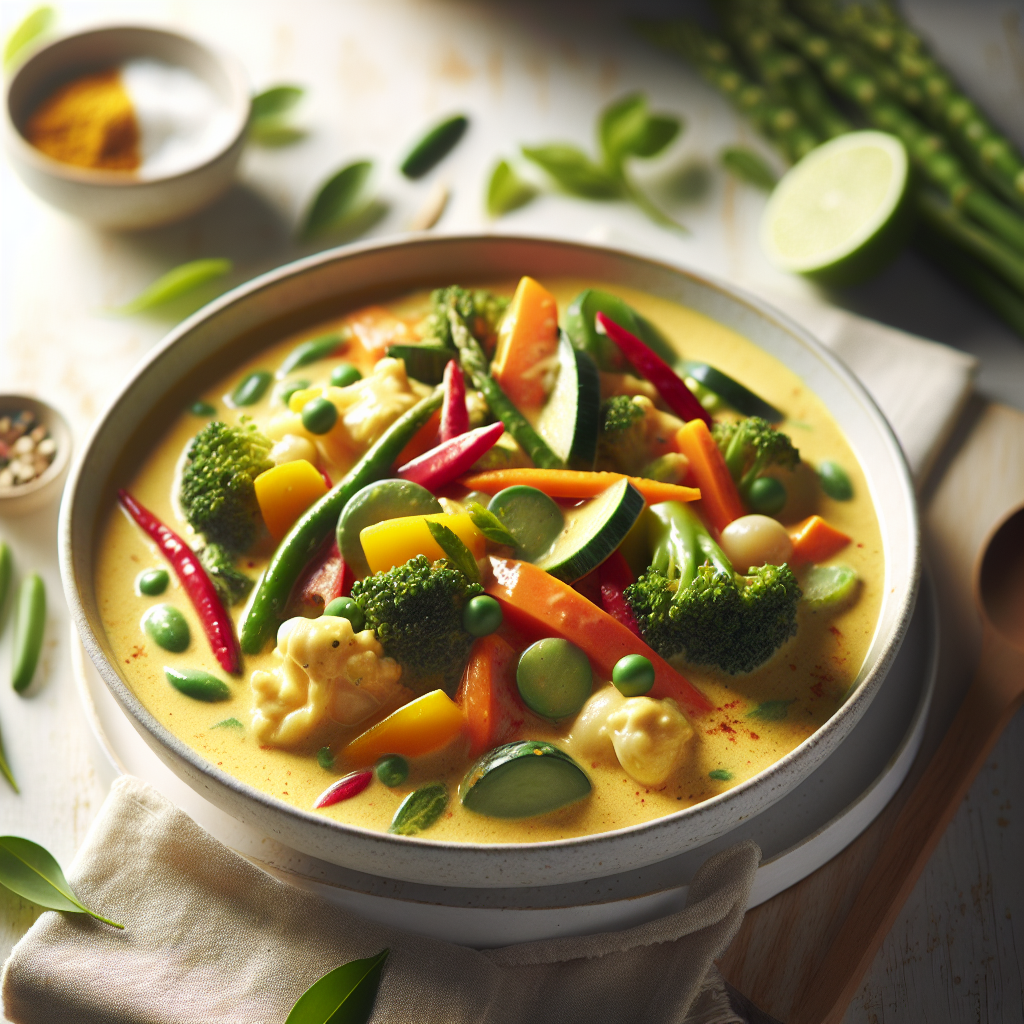
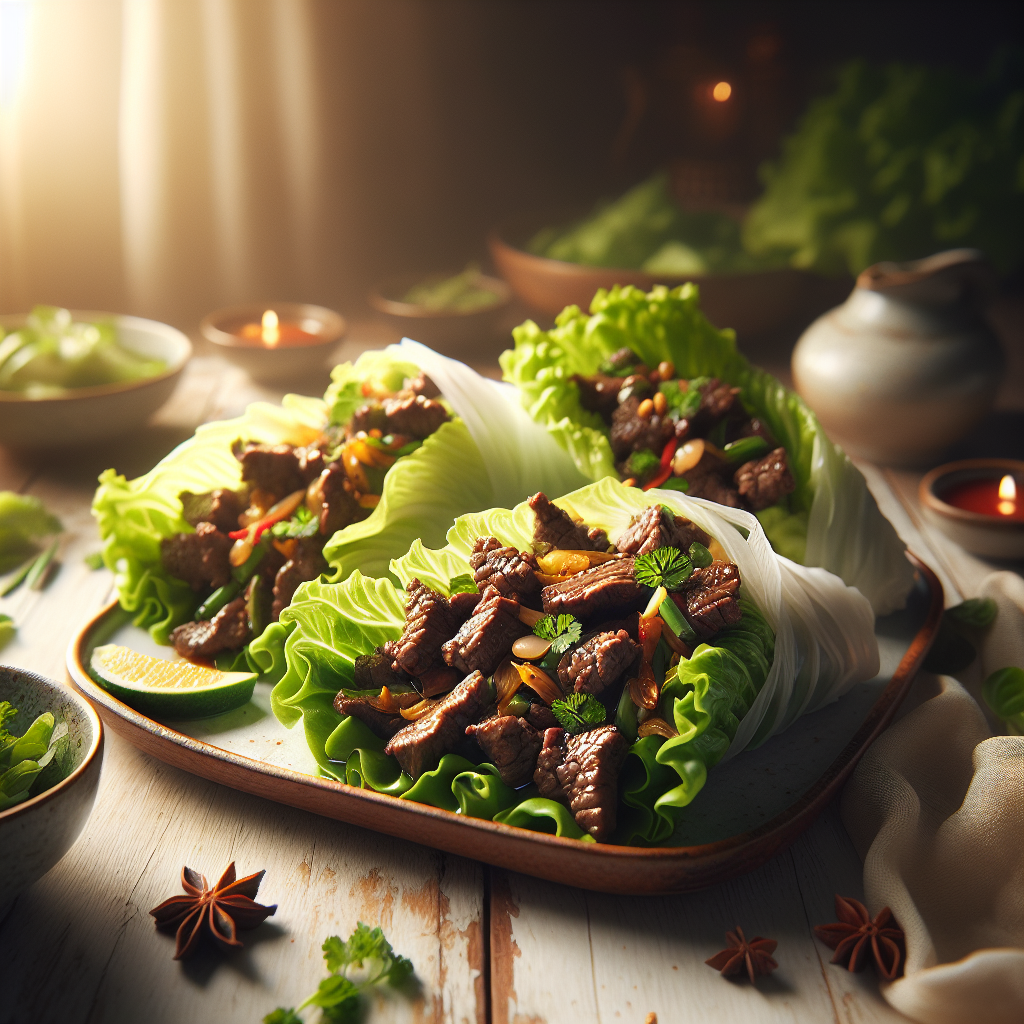
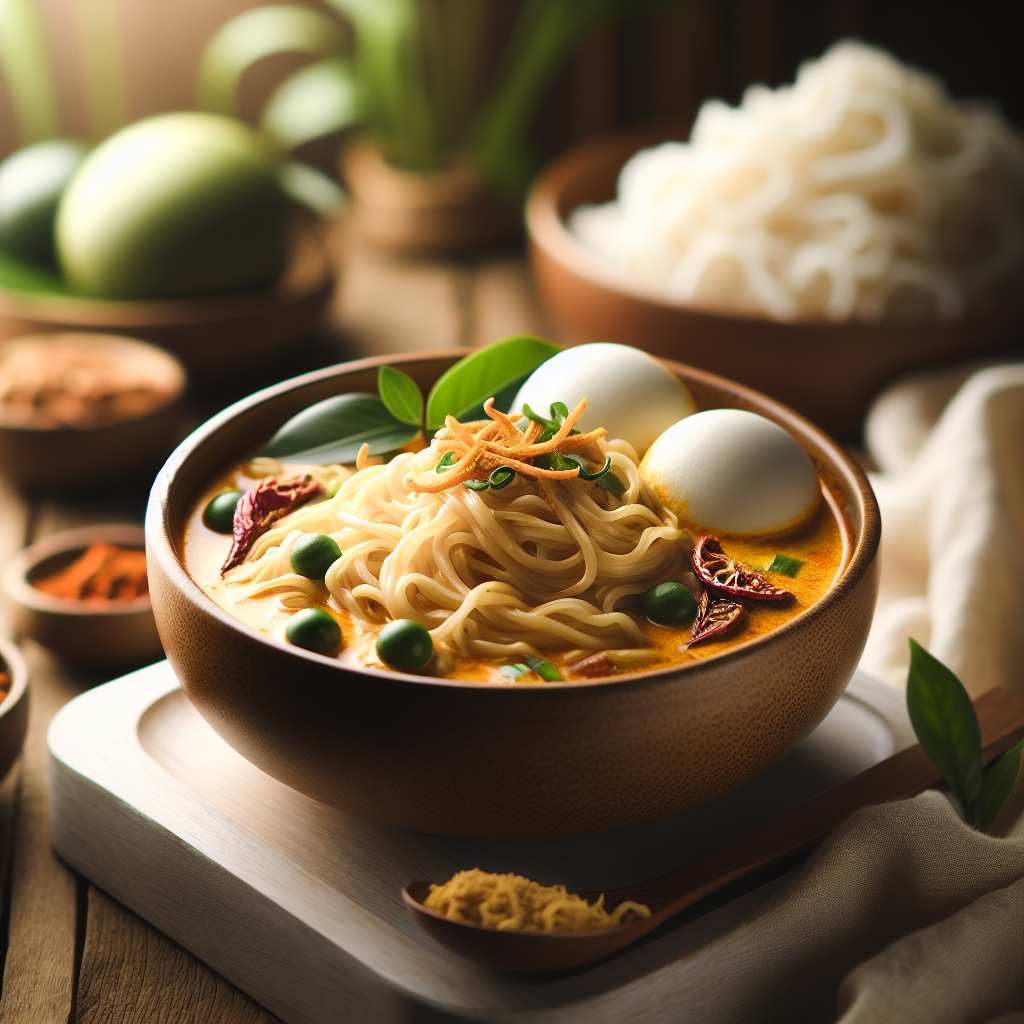
Thai cooking divides regionally. Central Thai — what most Westerners know — gives us pad thai, green and red curries, tom yum and tom kha, with coconut milk featuring heavily. Northern Thai (Lanna) cooking is less coconut-driven and more herbal, with dishes like khao soi (curry noodle soup), sai oua sausage and sticky rice as the staple. Isan, the northeast, is the hottest and funkiest — som tam (green papaya salad), larb, grilled chicken (gai yang), and sticky rice eaten with the hands. Southern Thai food is the spiciest of all, with seafood and turmeric-heavy curries. The key technique is the curry paste — chillies, lemongrass, galangal, garlic, shallots, kaffir lime, coriander root and shrimp paste, pounded into a paste and fried in coconut cream until it splits and releases its oils. Master that step and the rest is just adding stock, protein and vegetables.
เข้ากับอะไร
Cold lager — Singha, Chang, or any crisp pilsner — is the standard match and handles chilli heat better than wine. If you want wine, off-dry Riesling, Gewürztraminer or a fruity sparkling work with the sweet-sour-spicy balance; tannic reds clash. Thai iced tea (cha yen) is a brilliant non-alcoholic pairing with rich curries. On the table, jasmine rice (or sticky rice for northeastern dishes), a chilli-fish-sauce condiment (prik nam pla), lime wedges, and ideally one fresh herb-and-vegetable dish like a som tam to cut through richer mains. Coconut-based curries dominate the cool months; lighter salads and grilled dishes are summer food.
คำถามที่พบบ่อย
What makes Thai cuisine different from other Southeast Asian cooking?
Thai food is built around the simultaneous balance of four flavours — sweet, salty, sour, spicy — in nearly every dish, more deliberately than Vietnamese or Malaysian cooking. Fresh herbs (Thai basil, coriander, mint) and aromatics (lemongrass, galangal, kaffir lime) are used in vast quantities, and curry pastes pounded fresh form the base of most curries. It's also generally hotter and more chilli-forward than Vietnamese cuisine.
How do I start cooking Thai at home with a normal supermarket?
Get fish sauce, light soy, palm sugar (or brown sugar), a tin of full-fat coconut milk, jasmine rice, limes, fresh chillies and fresh coriander. Add a jar of decent Thai red and green curry paste — Mae Ploy is the gold standard, available in most large supermarkets or online. With that you can make a proper Thai curry, pad kra pao, and a basic stir-fry. Lemongrass and galangal are increasingly stocked too.
Can I make Thai curry without lemongrass and galangal?
If you're using a good shop-bought paste like Mae Ploy or Maesri, yes — the paste already contains them. If you're making paste from scratch, lemongrass is hard to substitute (a strip of lemon zest gets you part way there) and galangal really has no equivalent (ginger is sharper and hotter, not the same). Frozen lemongrass and galangal are widely available now and keep for months.
Is Thai cuisine spicy?
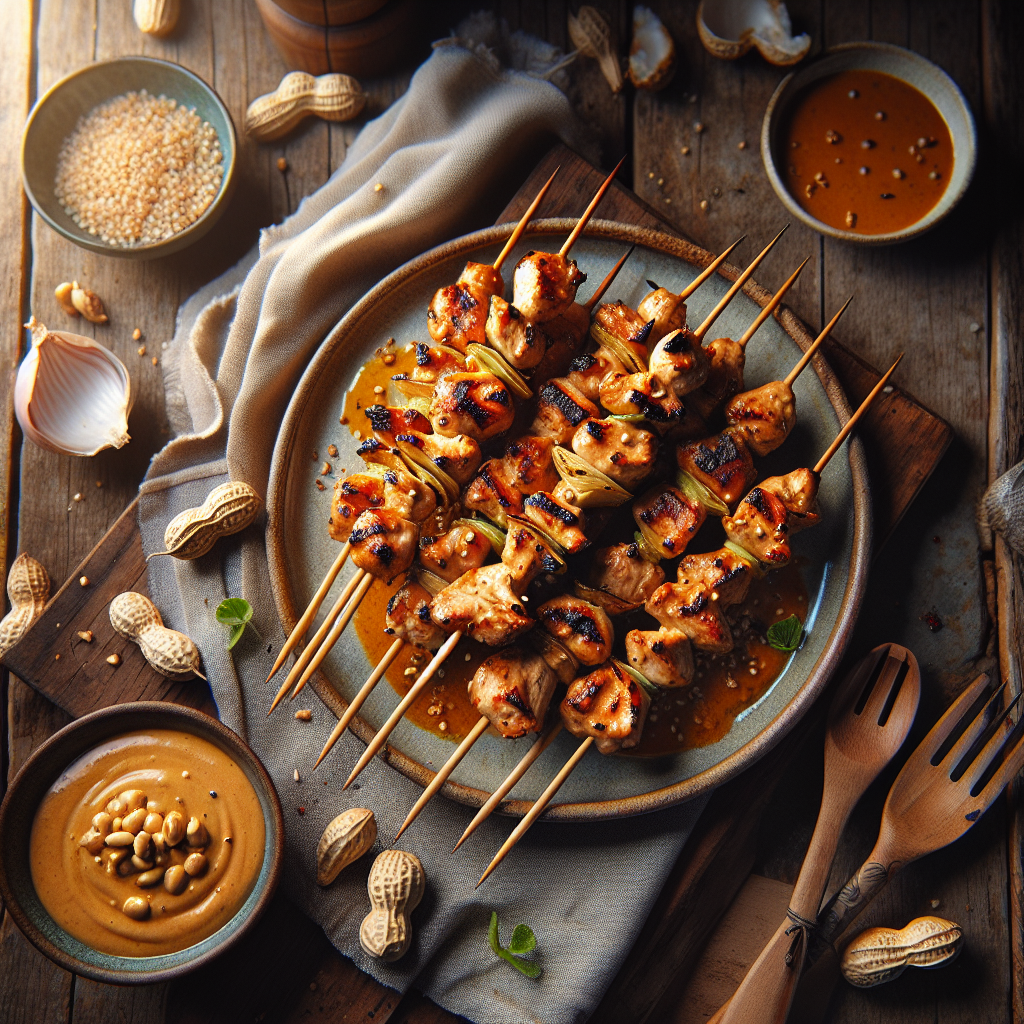
Most of it is, but heat is controllable. Curries can be dialled down by using less paste or stirring in extra coconut milk. Pad thai, satay, mango salad and tom kha gai are mild by default. Som tam and southern Thai curries are properly fiery. When cooking at home, start with half the chilli the recipe calls for — you can always add more, and Thai food's other three flavour pillars (sweet, salty, sour) shine through better when the heat isn't overwhelming.
How long does a typical Thai weeknight dinner take?
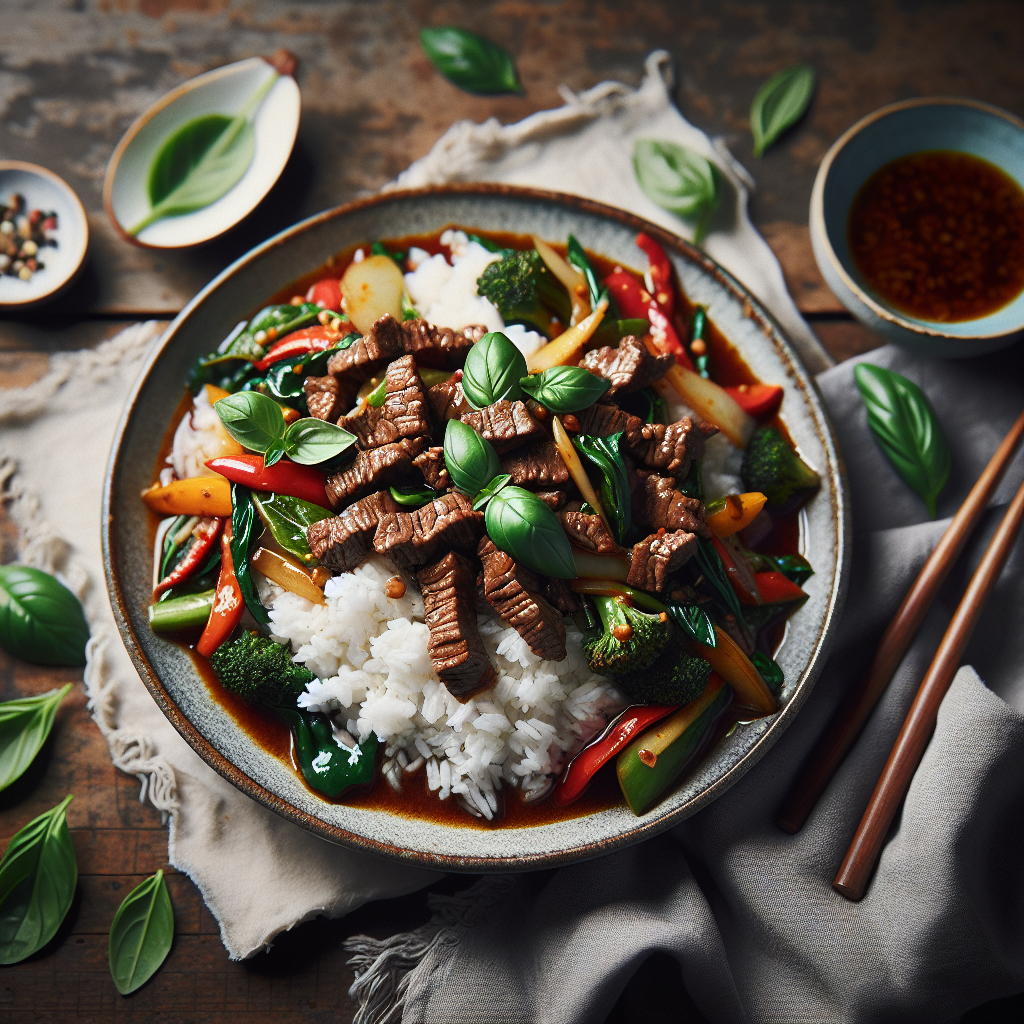
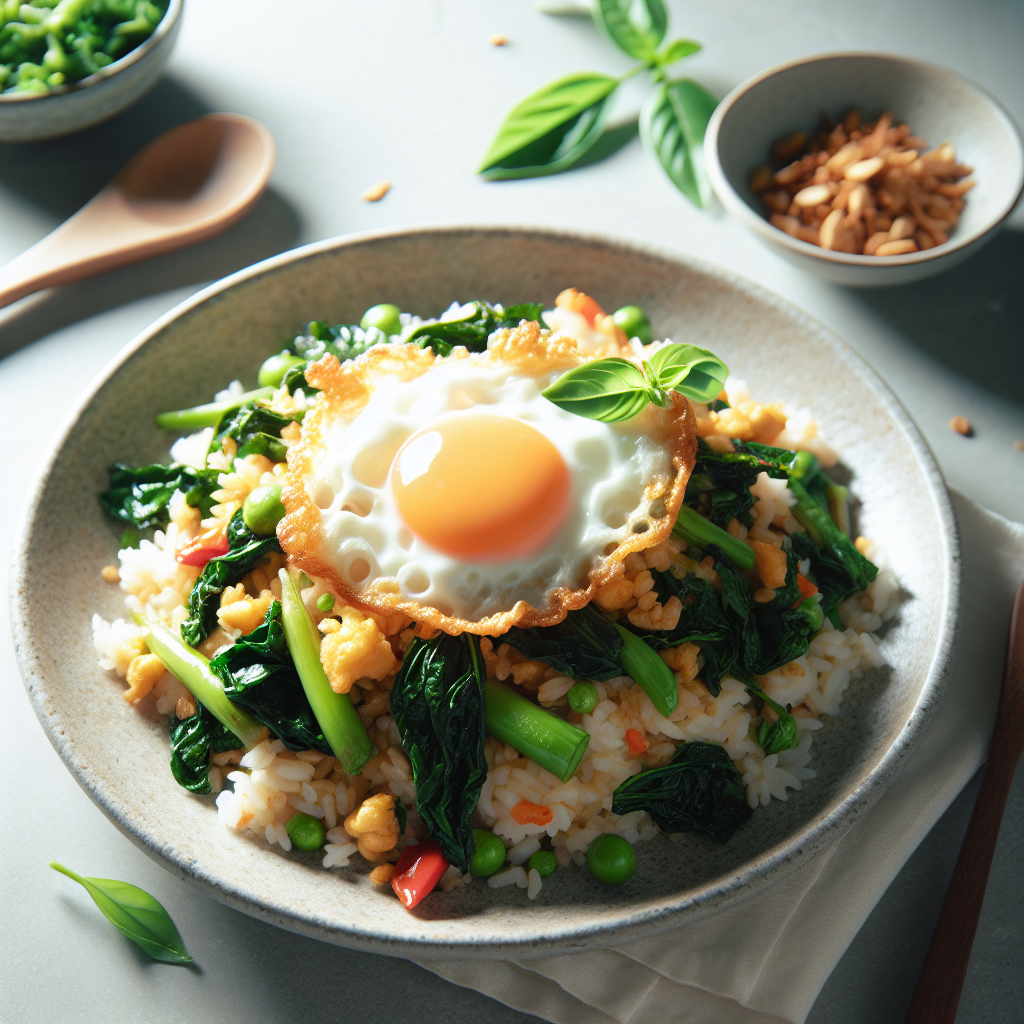
A Thai curry from a good paste is genuinely 20 minutes — fry the paste in coconut cream, add coconut milk, protein and vegetables, simmer. Pad kra pao (Thai basil stir-fry with a fried egg on top) takes 15. Pad thai, with everything prepped, is 12 minutes of fast wok work. Tom yum is 20 minutes. Thai cooking is some of the fastest serious food you can put on a weeknight table.