อาหารและเทคนิค
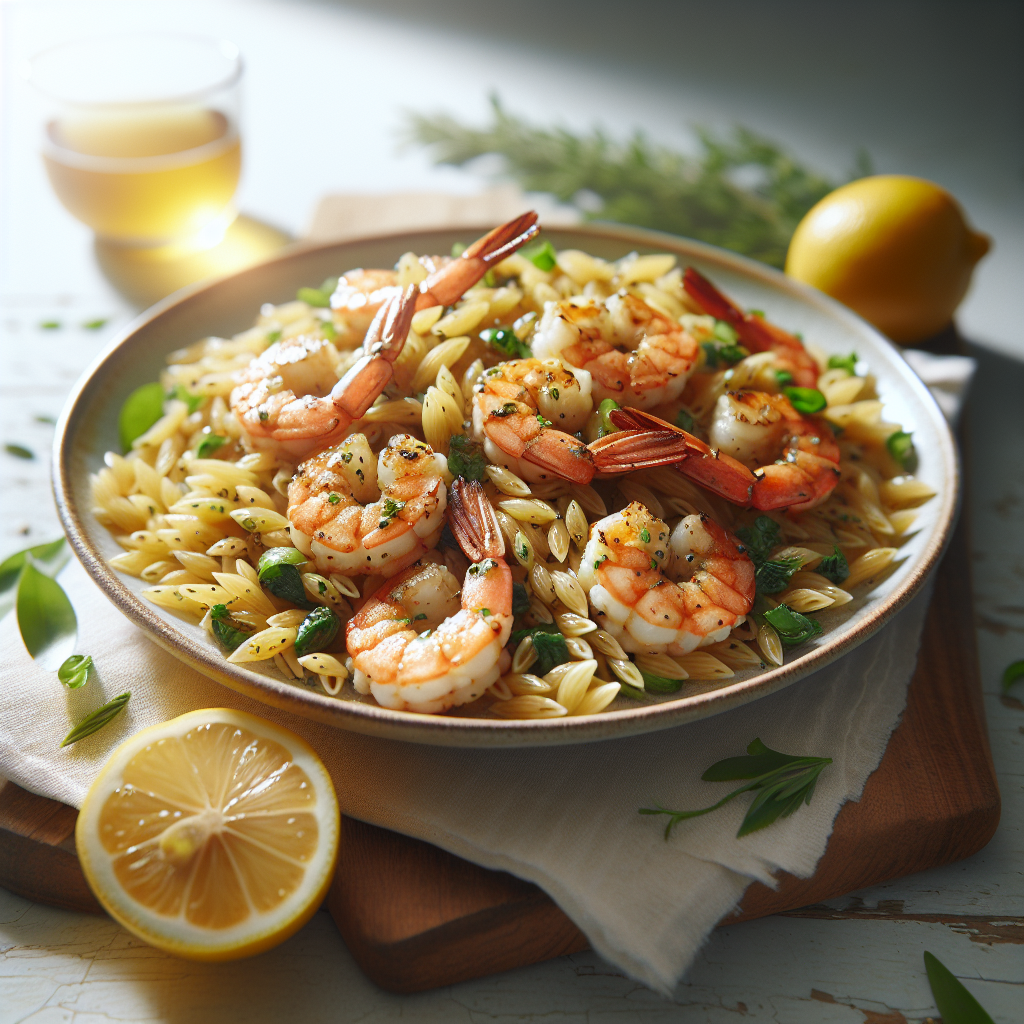
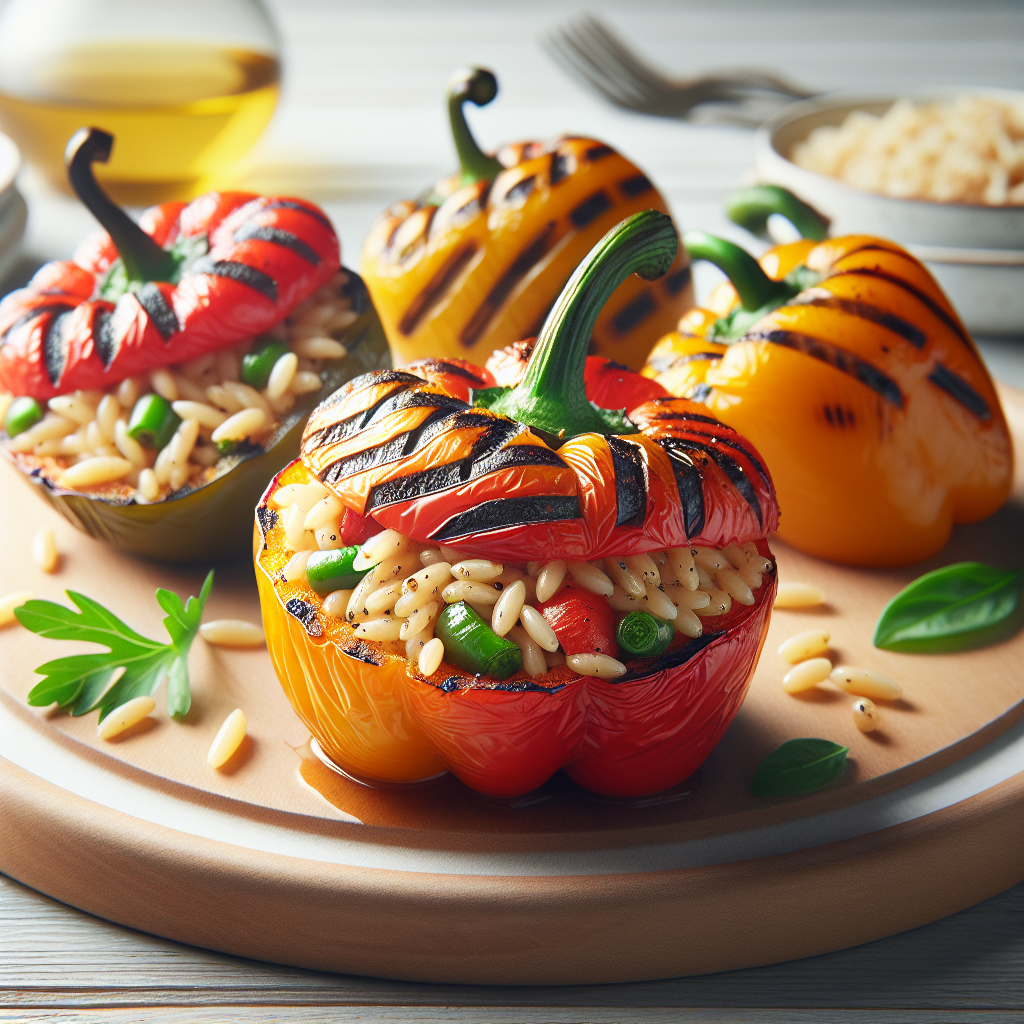
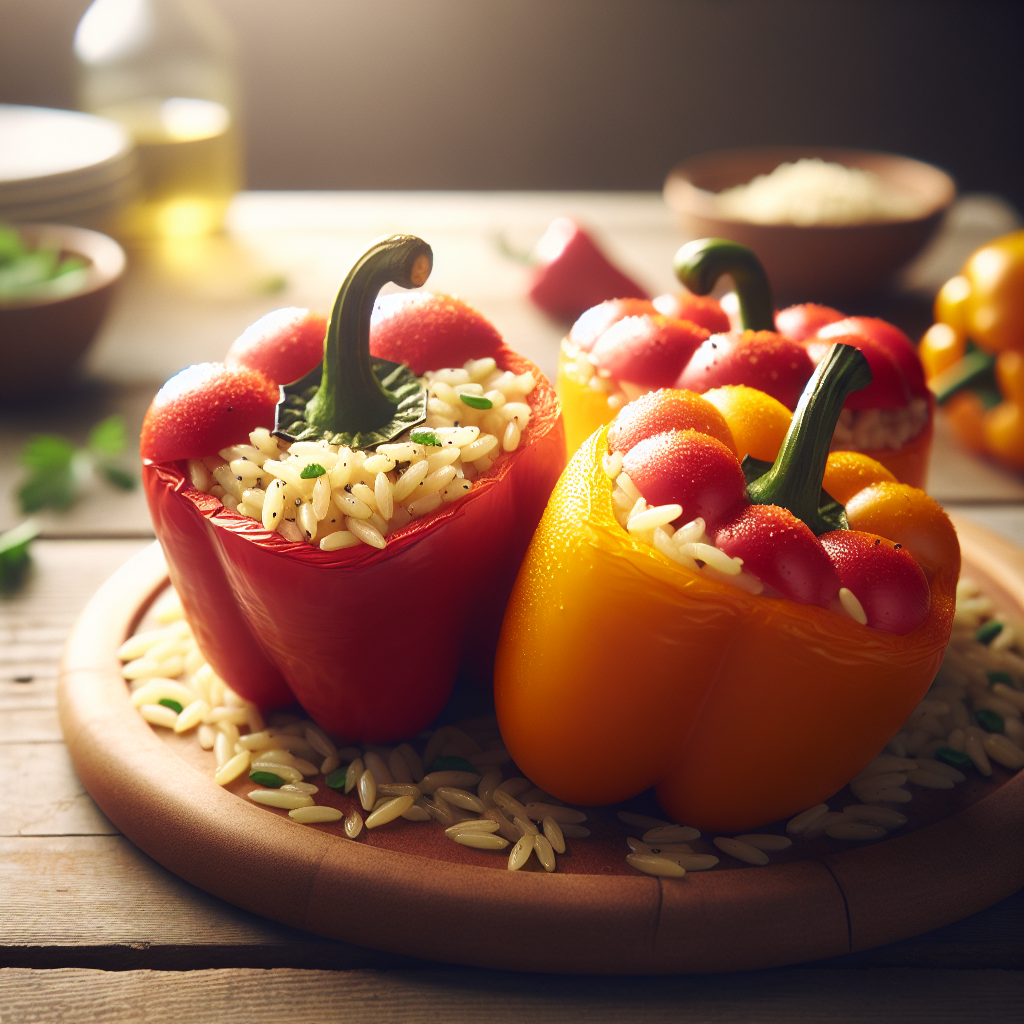
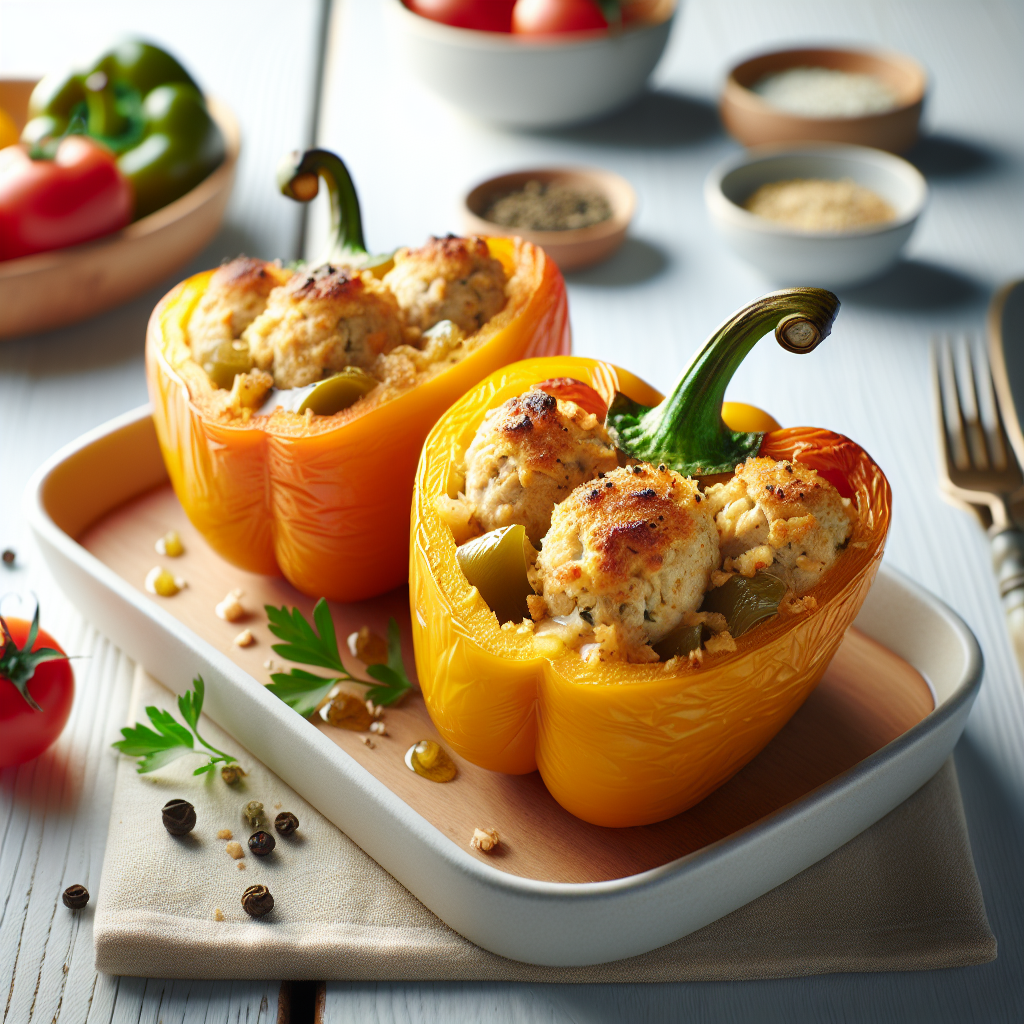
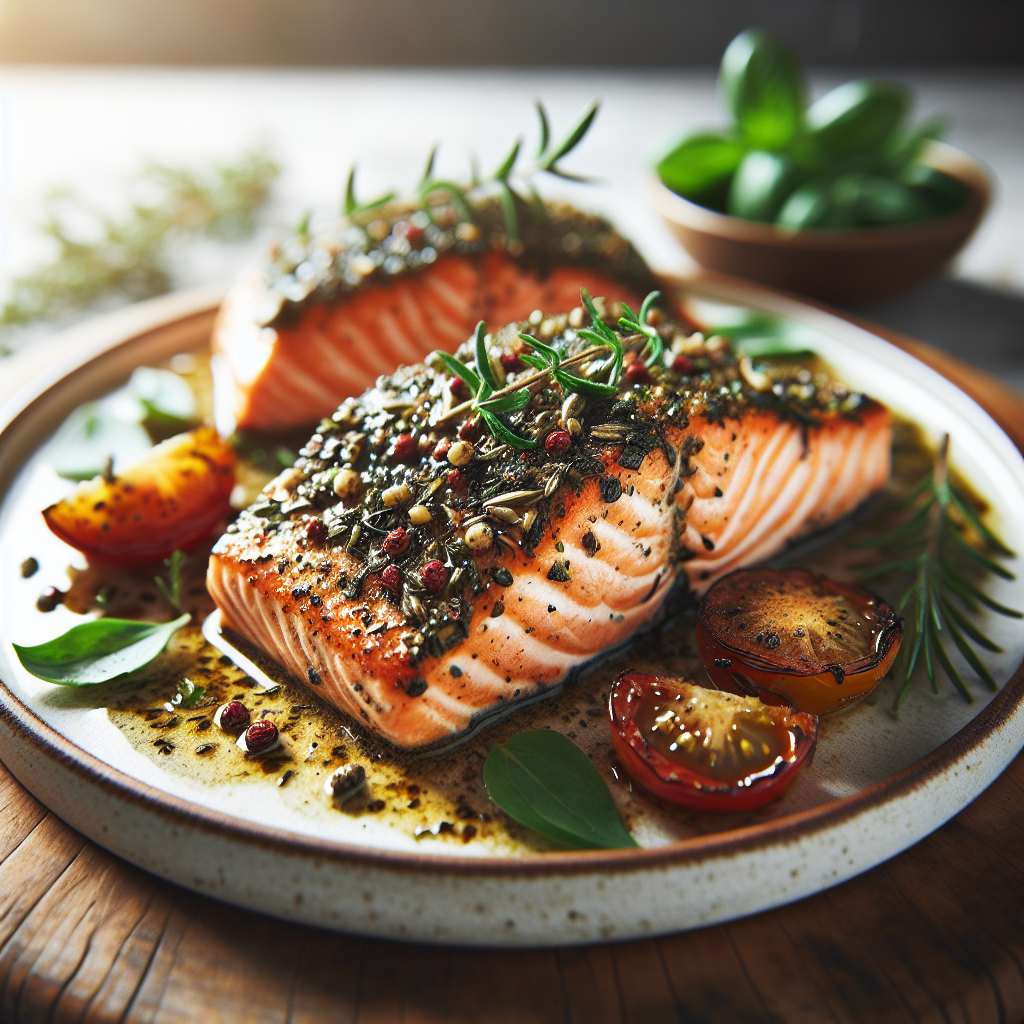
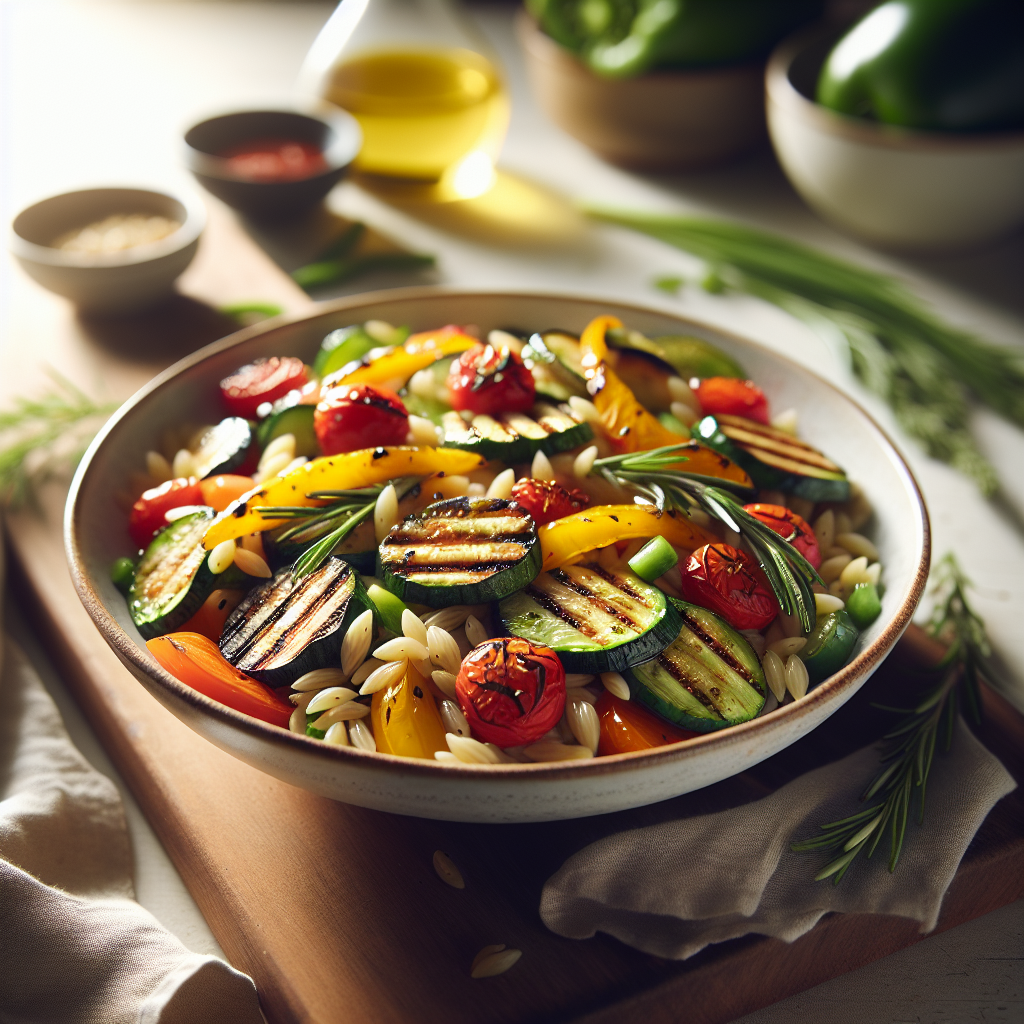
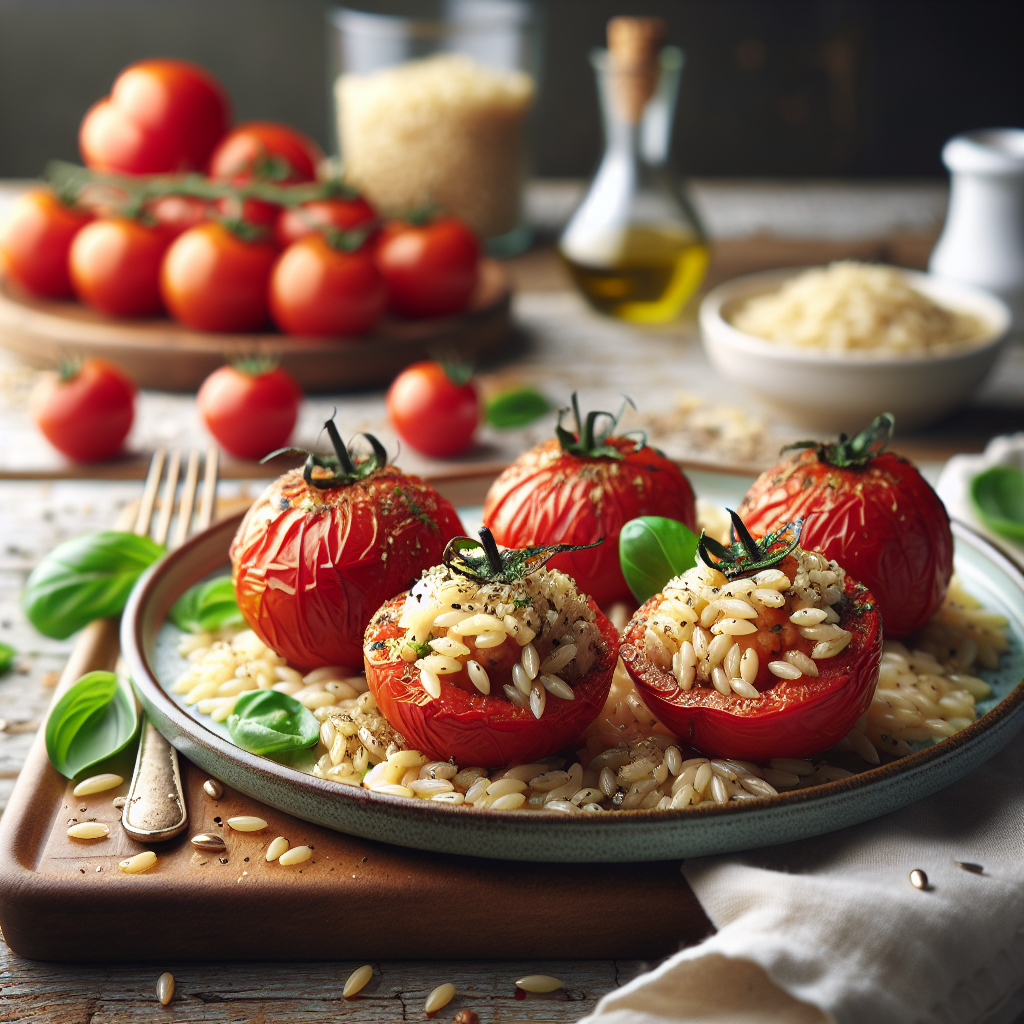
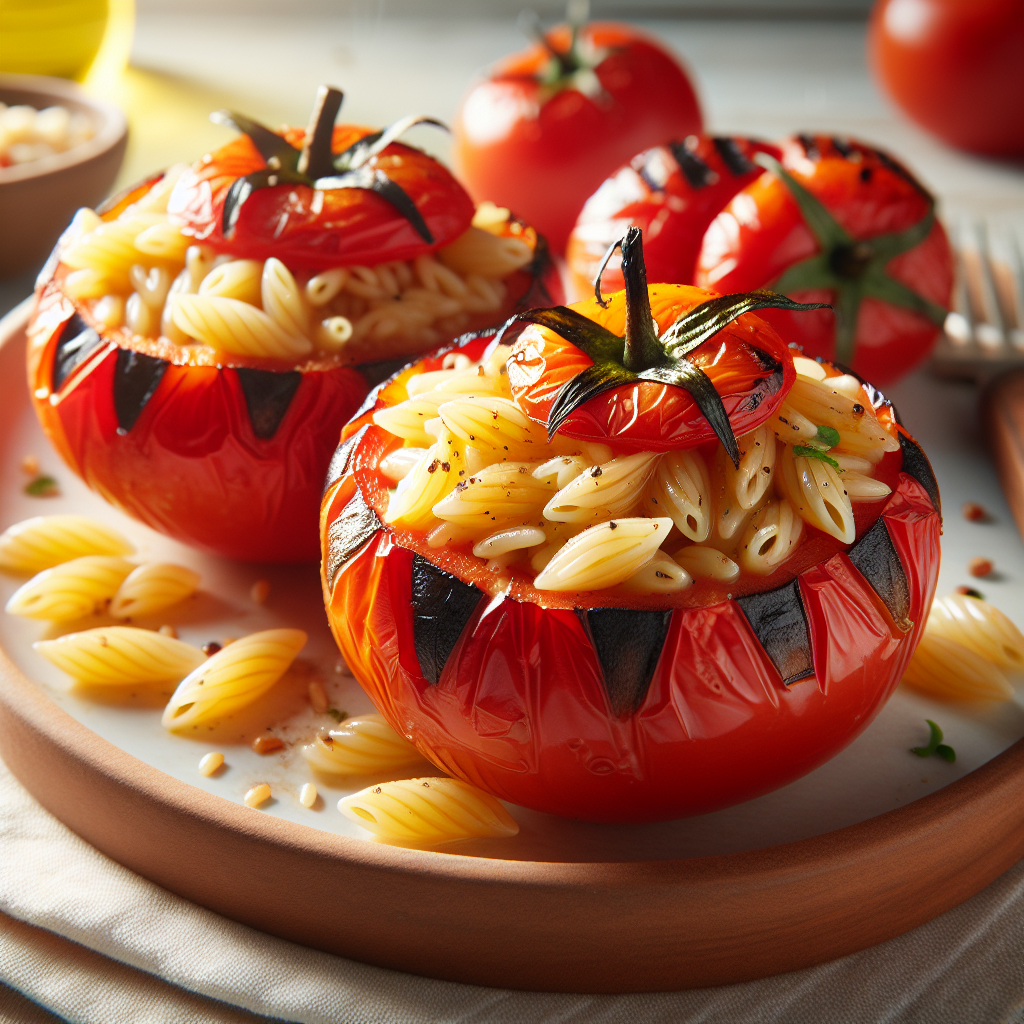
The Mediterranean isn't one cuisine but a family of related ones, sharing ingredients more than recipes. Italian and Spanish cooking bring pasta, risotto, paella and tapas. Greek and Turkish food gives us grilled meats, mezze, yogurt-based dishes, stuffed vegetables and phyllo pastries. The Levant — Lebanon, Syria, Palestine — contributes hummus, tabbouleh, kibbeh and za'atar. North African cooking adds tagines, couscous and ras el hanout. Southern French Provençal food sits in the middle with ratatouille, bouillabaisse and aïoli. The shared techniques are grilling over fire, slow-braising vegetables in olive oil, making sauces from fresh herbs (pesto, salsa verde, chermoula, skordalia) and using legumes and grains as the bulk of the meal rather than meat. Mezze culture — many small plates rather than one big main — runs through the whole region.
เข้ากับอะไร
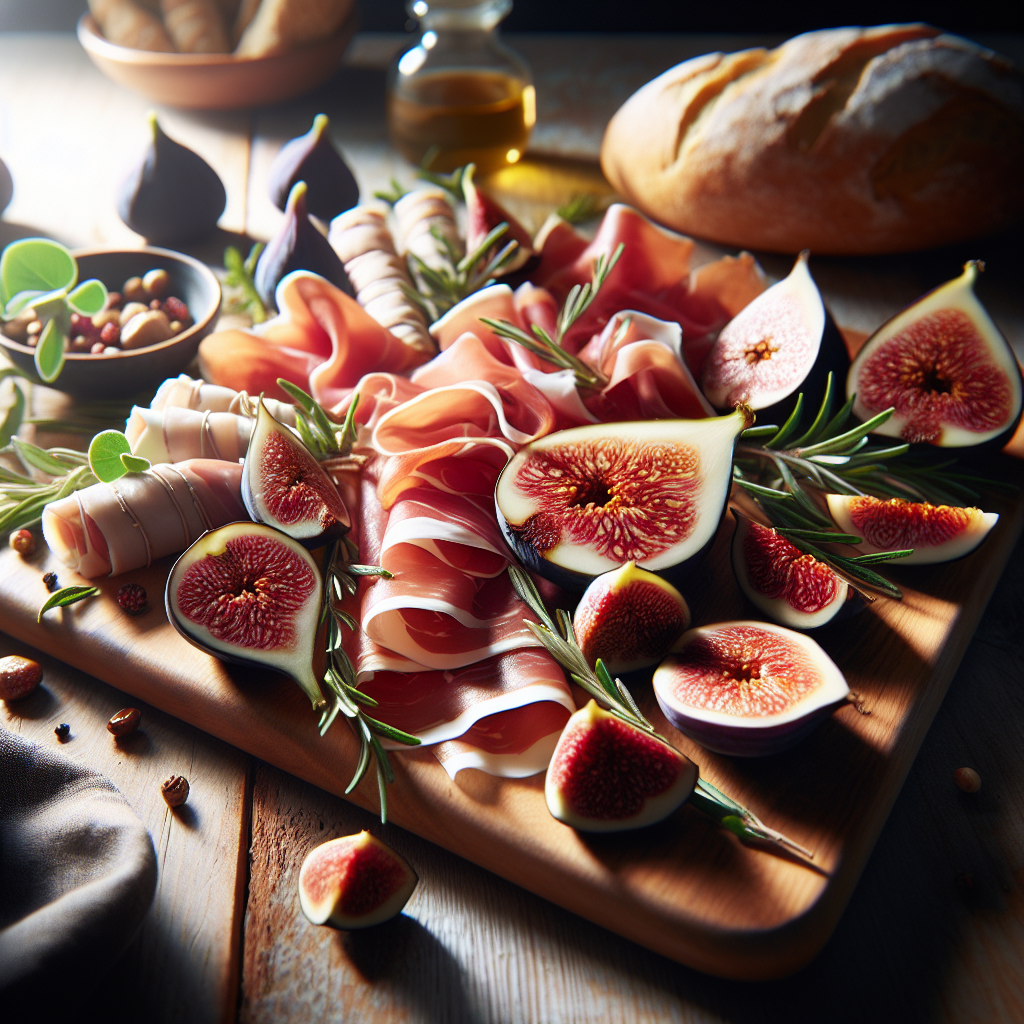
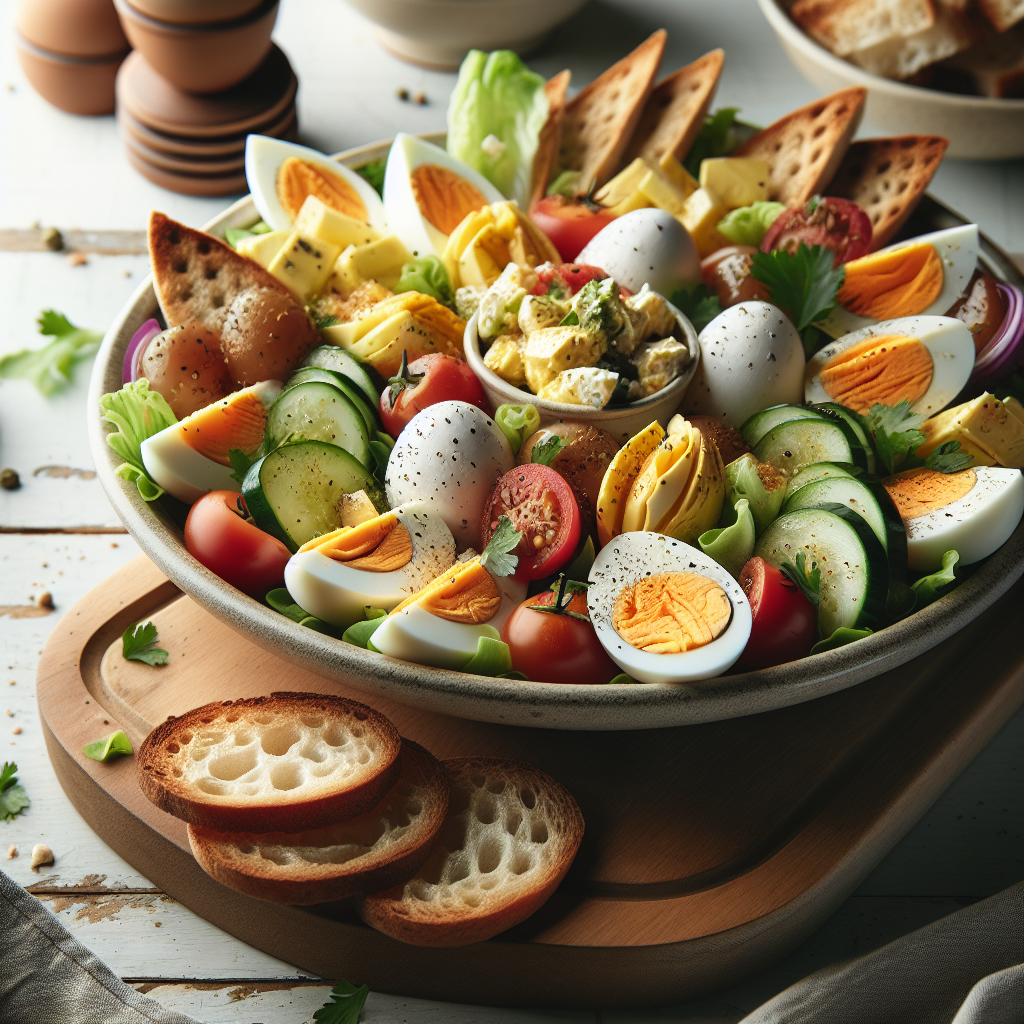
Mediterranean wines are obvious partners: a crisp white like Assyrtiko, Vermentino or Albariño with seafood and salads; a medium red like Sangiovese, Grenache or a young Rioja with grilled meats and tomato dishes; rosé works almost universally. Ouzo, raki or pastis with mezze before dinner is properly authentic. On the table, always have good bread, a bowl of olives, and a cruet of decent olive oil and lemon. Hummus or tzatziki, a chopped salad with feta or tomatoes, and grilled vegetables turn any main into a proper spread. In summer, this cuisine is at its peak — tomatoes, aubergines, courgettes, peaches, fresh herbs.
คำถามที่พบบ่อย
What makes Mediterranean cuisine different from other European cooking?
It's built on olive oil rather than butter, uses far more vegetables, legumes and grains than meat, and treats herbs and lemon as primary seasonings rather than garnishes. Compared to northern European cooking, there's much less dairy, less heavy sauce, more raw and grilled preparation, and a strong tradition of small shared dishes (mezze, tapas, antipasti) rather than a single main course.
How do I start cooking Mediterranean at home with a normal supermarket?
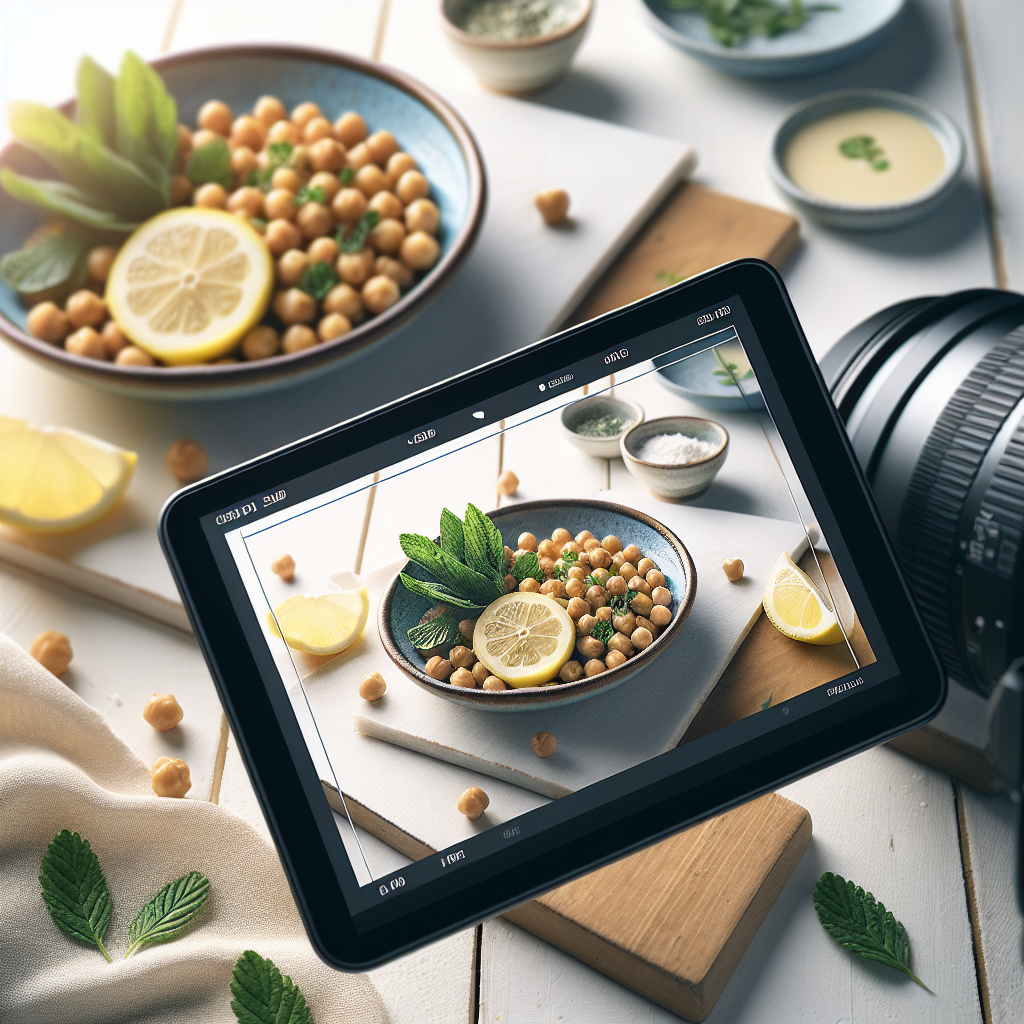
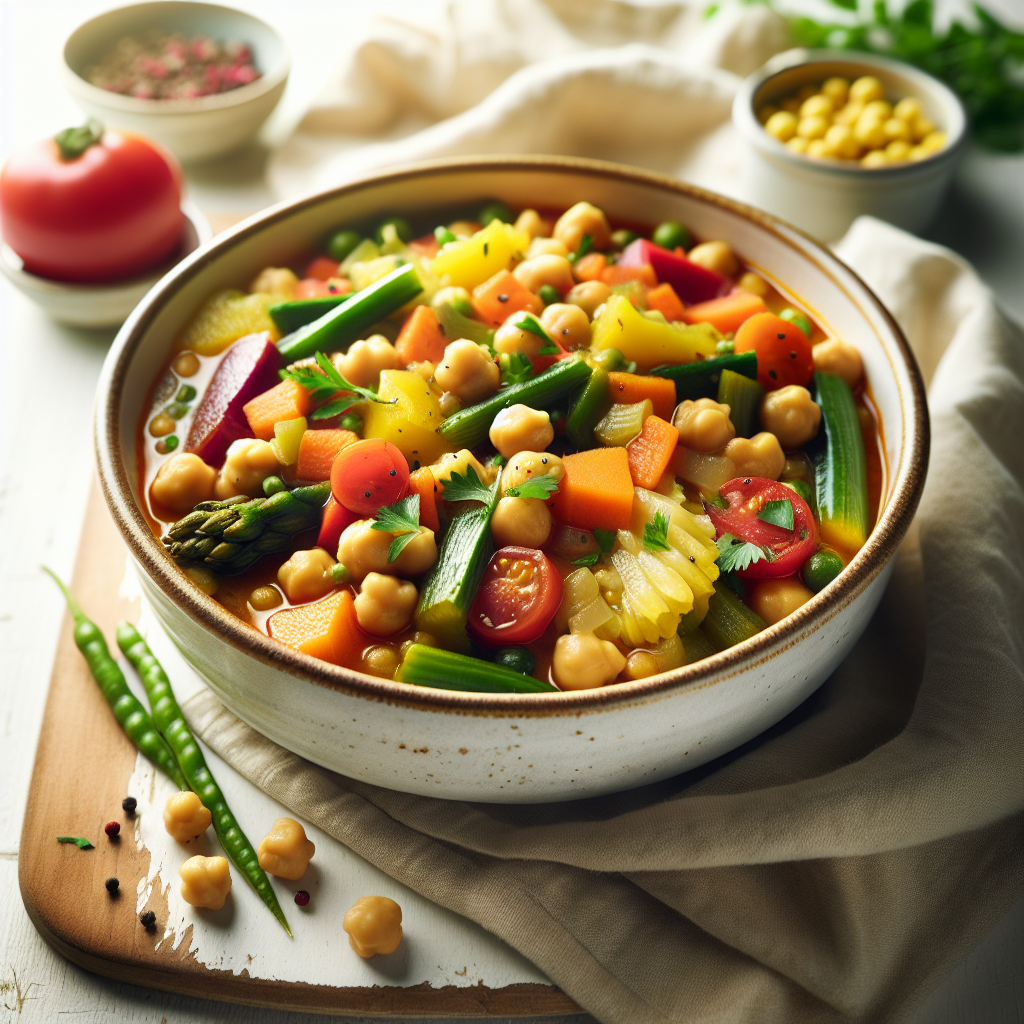
Stock good extra virgin olive oil, lemons, garlic, tinned chickpeas and white beans, tinned tomatoes, feta, olives, dried oregano, and a bag of bulgur or couscous. Add fresh parsley, cucumber, tomatoes and red onion. With that you can make hummus, tabbouleh, Greek salad, pasta with tomatoes and capers, or a quick chickpea stew — a week of dinners from a basic supermarket shop.
Can I make Mediterranean food without good olive oil?
Honestly, no — not properly. Olive oil isn't just a cooking fat here, it's a flavour, drizzled on finished dishes and stirred into dips. You don't need the most expensive bottle, but get a real extra virgin oil rather than a 'pure' or 'light' one. A mid-range supermarket Greek, Spanish or Italian extra virgin will do nearly everything you need and lasts for months.
Is Mediterranean cuisine healthy?
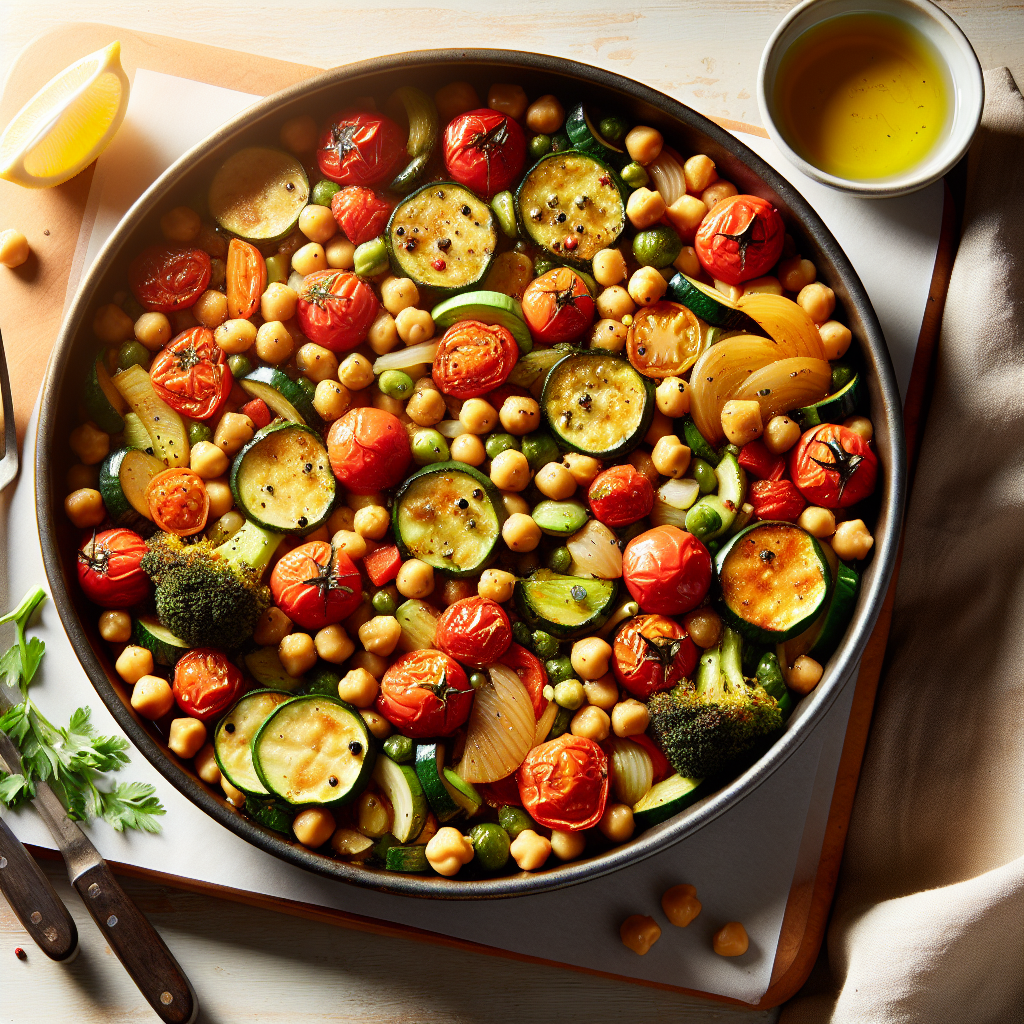
Yes — it's the basis of the famous Mediterranean diet, repeatedly linked to longer life and lower heart disease rates. The pattern is high in vegetables, legumes, whole grains, fish, nuts and olive oil; moderate in dairy, eggs and wine; low in red meat and processed food. Eating Mediterranean-style most nights is one of the simplest, most evidence-backed dietary changes you can make.
How long does a typical Mediterranean weeknight dinner take?
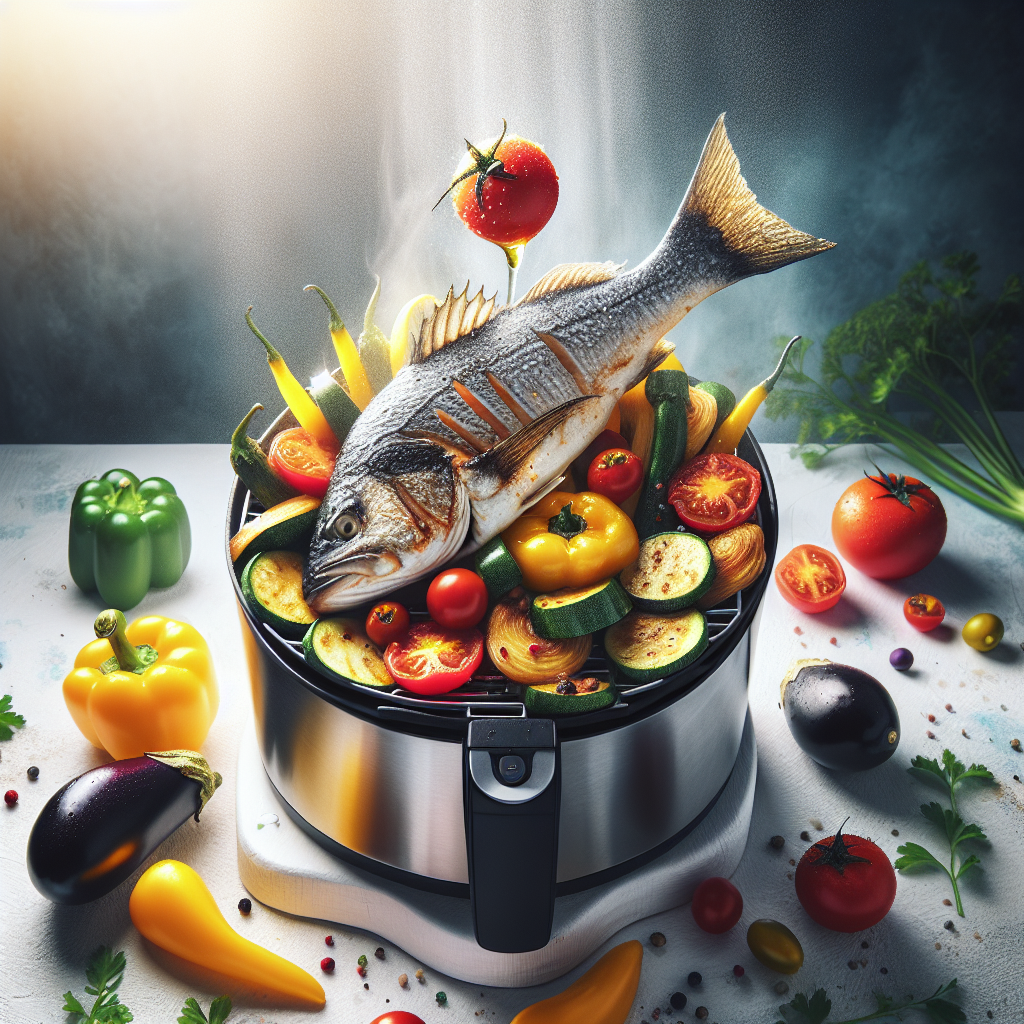
Most of this cuisine is fast. A Greek salad with grilled halloumi or fish takes 20 minutes. Pasta with olive oil, garlic, lemon and herbs is 15. A chickpea stew or shakshuka lands in 25 to 30 minutes. Tagines and slow-braised lamb are weekend dishes, but the everyday Mediterranean repertoire — grilled, raw, quickly sautéed — is built for weeknight cooking.