
อาหารและเทคนิค
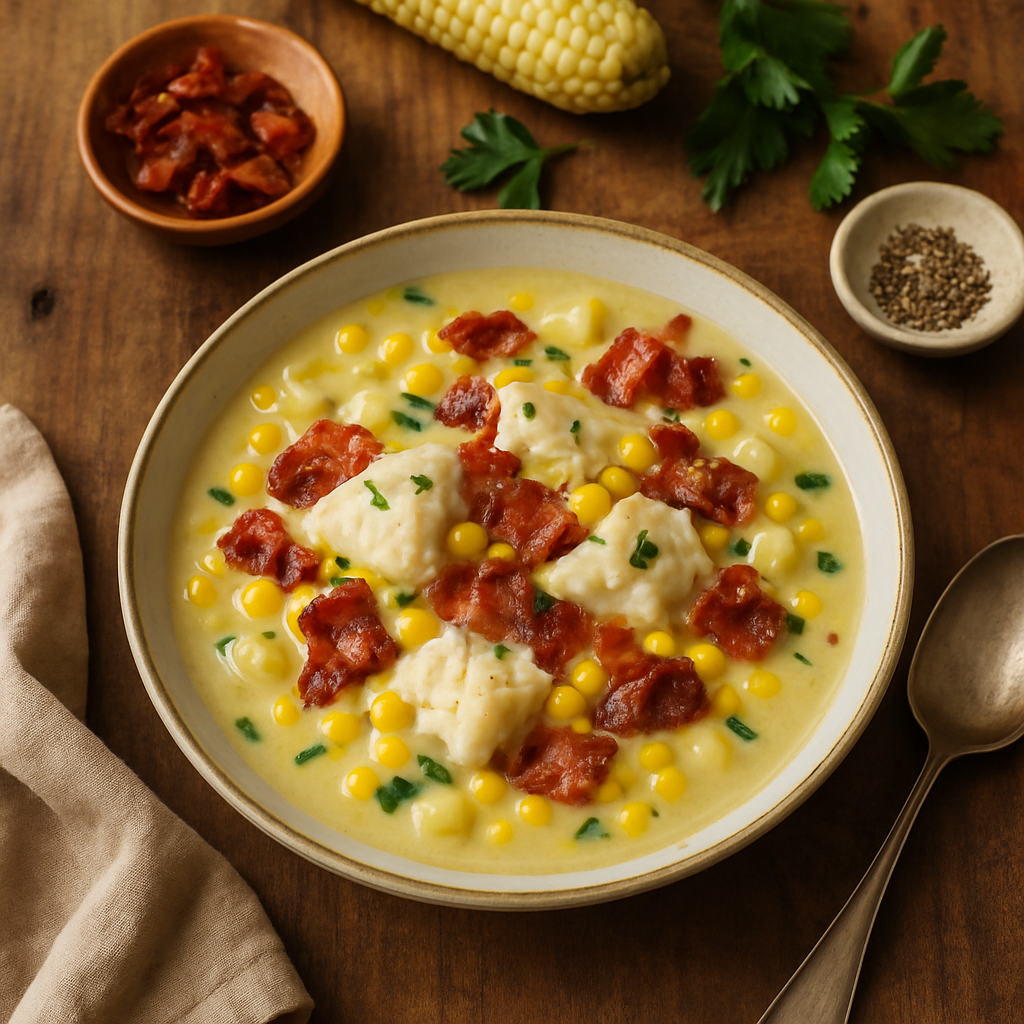
American regional cooking is a country in itself. The South gives us fried chicken, biscuits and gravy, shrimp and grits, collard greens, Carolina pulled pork and Texas brisket — barbecue traditions that vary by state and sauce. New England brings clam chowder, lobster rolls and baked beans. The Midwest is the home of casseroles, deep-dish pizza and Wisconsin cheese curds. The Southwest blends Mexican and cowboy cooking — chili, fajitas, breakfast burritos. Cajun and Creole Louisiana cooking gives us gumbo, jambalaya and étouffée. California cuisine is lighter, vegetable-forward and Mediterranean-influenced. The core American techniques are low-and-slow smoking (real barbecue, not grilling), the diner-style flat-top griddle for burgers and breakfast, deep-frying (chicken, doughnuts, fries), and the sheet-pan and slow-cooker traditions of mid-century home cooking that turn a tough cut of meat into a generous family dinner with minimal effort.
เข้ากับอะไร
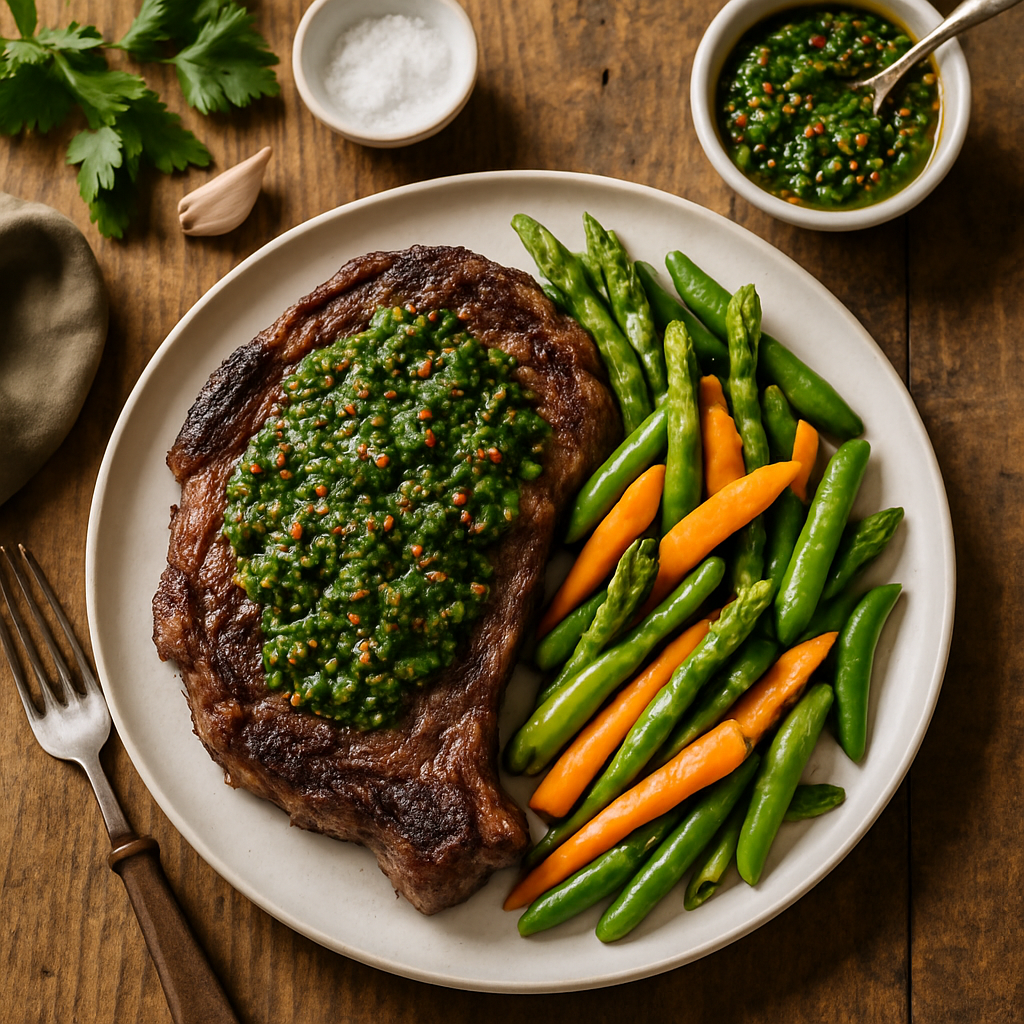
American craft beer — IPAs with spicy food, lagers with burgers, stouts with barbecue — is one of the world's great drink scenes. Bourbon and rye whiskey, neat or in cocktails (an Old Fashioned with a steak, a Mint Julep in summer), are the spirits of choice. California wines hold their own: Zinfandel with barbecue, Cabernet with steak, Chardonnay with roast chicken. On the table: coleslaw, cornbread, mac and cheese, pickles, pickled jalapeños, ranch dressing, hot sauce. Sides matter as much as the main. Summer means grilling, corn on the cob and tomato season; winter means chili, pot roast and Sunday roasts.
คำถามที่พบบ่อย
What makes American cuisine different from European cooking?
American food is the product of immigration layered onto regional ingredients — Italian, Mexican, German, African, Chinese and Jewish traditions all shaped the national cooking. Portions are larger, sweet-savoury combinations are more common (maple bacon, sweet barbecue sauce), and there's a stronger tradition of slow-smoked meats, cornmeal-based dishes and dairy-heavy comfort food. Regional variation is huge — Louisiana and New England are essentially different cuisines.
How do I start cooking American at home with a normal supermarket?
Stock smoked paprika, cumin, brown sugar, cider vinegar, hot sauce (Frank's or Tabasco), good mustard, ketchup that isn't too sweet, and a decent barbecue rub. Add buttermilk, cornmeal, tinned beans, ground beef and chicken thighs. With that you can make chili, pulled pork in the slow cooker, buffalo wings, smash burgers, cornbread and a proper Cobb salad — a week of American dinners from any supermarket.
Can I make American barbecue without a smoker?
Yes, with adjustments. A kettle grill with the coals banked to one side gives you indirect heat that approximates a smoker — add wood chips for smoke. The oven works for ribs and pulled pork: low and slow at 110-130°C for several hours, finished under the grill with sauce. You won't get the deep smoke ring of a real pit, but the meat will be properly tender and flavourful. A slow cooker plus liquid smoke is the indoor shortcut.
Is American cuisine unhealthy?
Fast food and chain restaurant food deserve their reputation, but American home cooking is much broader. Cobb salads, grilled fish, vegetable-forward California cooking, Southern greens and beans, and the New American farm-to-table tradition are all genuinely healthy. The key is cooking it yourself: a homemade burger with a salad is a balanced meal; a fast-food meal of the same name isn't. Portion size and frequency of fried food are the things to watch.
How long does a typical American weeknight dinner take?
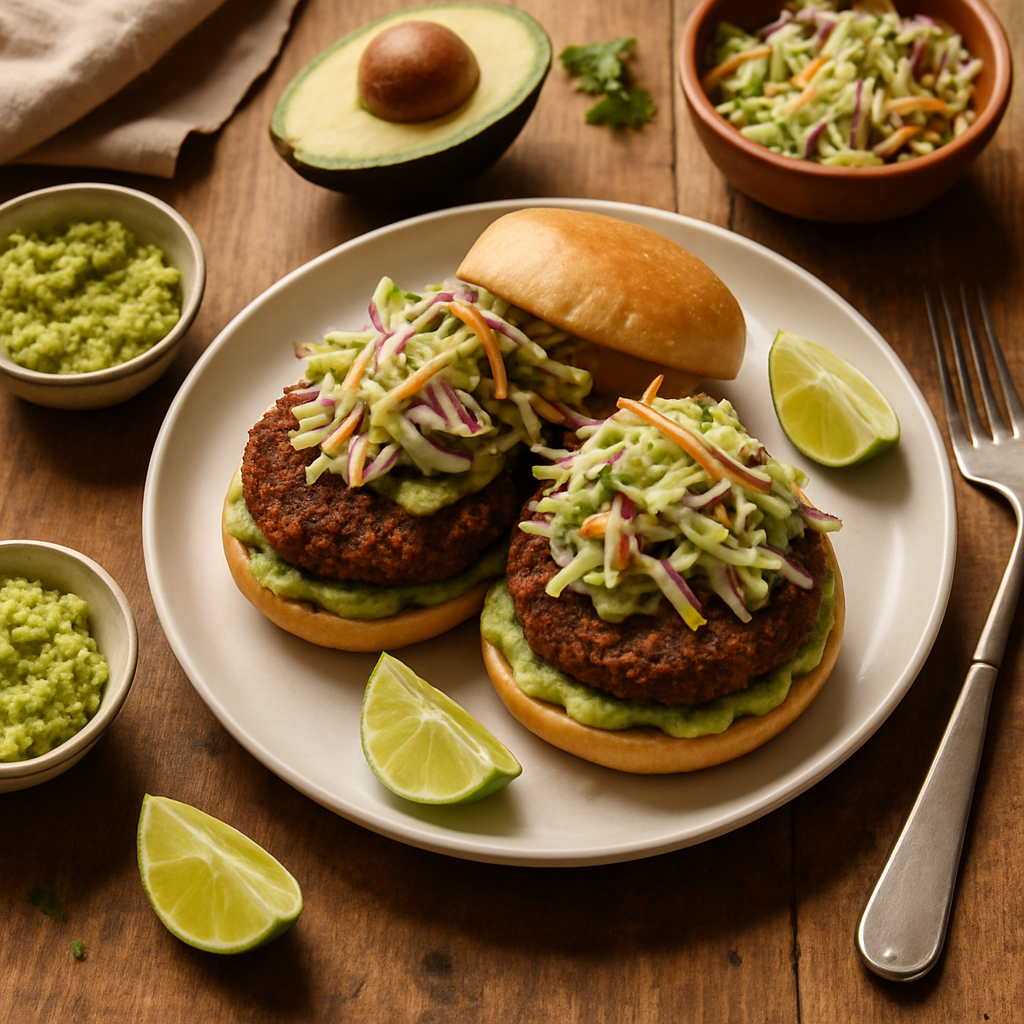
Smash burgers with a quick slaw are 20 minutes. Sheet-pan chicken with vegetables is 35, mostly hands-off. Buffalo wings in the oven take 45 minutes total but only 10 of work. Chili and pulled pork are slow-cooker dishes — five minutes of prep in the morning, dinner ready when you walk in. Real barbecue is a weekend pursuit, but most American comfort food fits a weeknight just fine.